
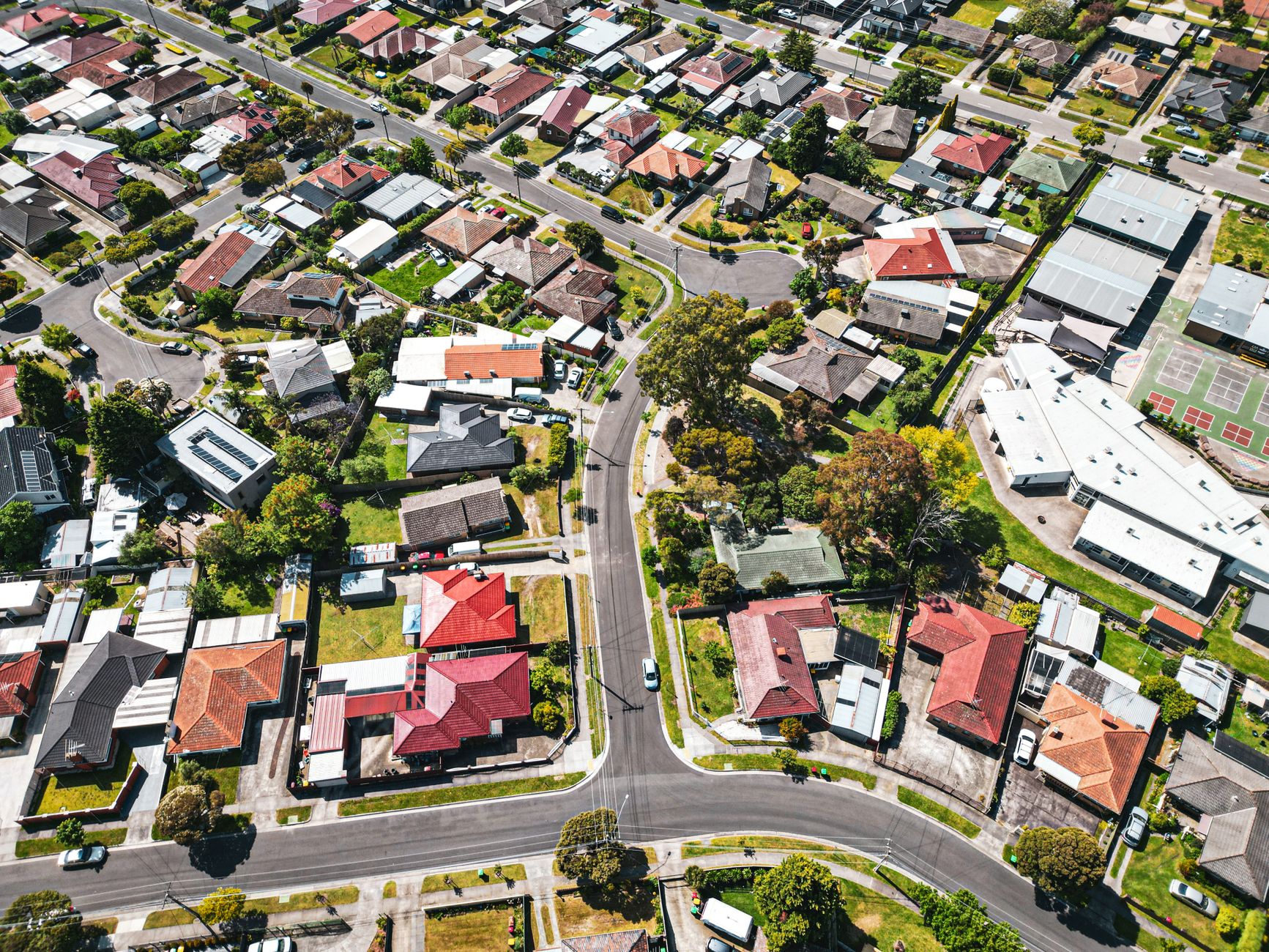
Property value trends in Australia have rarely moved in a straight line, and 2026 is no exception. After several years of significant price volatility driven by interest rate cycles, shifting migration patterns and changing lifestyle priorities, the market is settling into a new rhythm. For homeowners and investors alike, understanding what is genuinely driving values up or down matters far more than watching headline numbers. The good news is that much of what influences a property's worth is within your control.
The big picture: what's moving the market
Australian property markets remain highly localised, but a handful of forces are shaping values across the board. Population growth in major cities, particularly Melbourne and Sydney, continues to put upward pressure on established suburbs. At the same time, rising construction costs have constrained new supply, meaning the existing housing stock carries more weight in the overall market. Buyers are also more discerning than they were a few years ago. Low interest rates made almost any purchase look attractive; today, buyers are scrutinising condition, running costs and liveability far more carefully.
The shift toward remote and hybrid work has extended the appeal of middle-ring and outer suburbs, where larger blocks and more space can be had for less. Inner-city apartments, by contrast, have had a more complicated recovery, with oversupply in some pockets continuing to suppress growth. Understanding which segment your property sits in is the starting point for any honest appraisal of its trajectory.
Presentation and condition: the overlooked value driver
Market forces set the ceiling. The condition of your property determines how close to that ceiling you can actually sell. This is where individual owners have real leverage. Buyers form strong first impressions quickly, and a well-maintained, freshly presented property consistently achieves better results than a comparable home that looks tired or neglected.
One of the highest-return investments you can make before listing is a quality repaint. Research and agent experience consistently show that a fresh paint job adds measurable value by signalling to buyers that the property has been cared for. A peeling facade or scuffed interior walls, on the other hand, invite buyers to mentally discount the price and negotiate hard. The cost of painting is almost always recovered at settlement, and often multiplied.
Beyond paint, buyers are increasingly focused on features that reduce ongoing costs and maintenance. Insulation, modern glazing, efficient heating and cooling systems, and quality fixtures all feature prominently in buyer conversations. Properties that bundle liveability with low ongoing cost are achieving premiums in the current market.
Renovations and the return on investment question
Not all spending on a property translates into value at sale. One of the most common mistakes owners make is over-capitalising: spending more on a renovation than the local market will ever reward. Understanding the best home renovations for ROI helps you direct spending toward upgrades that genuinely shift buyer perception and price outcomes.
Kitchens and bathrooms consistently rank as the highest-returning renovation categories, provided the finish is appropriate for the price bracket. A mid-range kitchen refresh in a first-home-buyer suburb will outperform a luxury kitchen in the same location, because the buyer pool simply will not pay for the premium. Knowing your buyer is as important as knowing your budget.
Structural improvements like roof restoration, rewiring and plumbing upgrades rarely show up in a listing's headline features, but they matter enormously during building inspections. Properties that pass inspection cleanly sell faster and at stronger prices than those that generate a list of issues for the buyer's solicitor to leverage.
Kerb appeal and the street-level story
A property's street presence shapes buyer psychology before they walk through the door. Landscaping, fencing, driveways and exterior paint all contribute to the story a home tells from the footpath. In competitive markets, buyers shortlisting from online photos are making rapid judgements about exterior presentation. A well-chosen exterior colour scheme tailored to the architectural style of the home can genuinely lift perceived value before a single internal feature is even considered.
Colour choices are also evolving in line with broader design shifts. Warm earthy tones, deep greens and textured neutrals have replaced the stark white-on-grey palettes that dominated the last decade. These trends in home colour choices for repaints are worth factoring in if your exterior is due for an update, particularly if you are planning to sell within the next few years.
Long-term protection as a value strategy
Short-term presentation matters at sale, but the underlying condition of a property is built (or eroded) over years of maintenance decisions. Owners who treat their property as an asset to be actively protected, rather than a passive investment, consistently achieve better long-term outcomes.
Exterior painting, in particular, is both a cosmetic and a protective measure. Quality exterior coatings seal weatherboards and render from moisture penetration, UV degradation and pest entry. Allowing paintwork to deteriorate to the point of cracking or peeling is not just a presentation problem. It is an accelerating maintenance liability that compounds over time and becomes genuinely expensive to remediate.
A sensible maintenance calendar, updated every seven to ten years for exterior surfaces depending on the climate and substrate, is one of the most cost-effective property protection strategies available to any homeowner. The expense is predictable and modest relative to the structural damage it prevents.
What buyers are actually paying for
Ultimately, property value trends are a reflection of what buyers are willing to pay, and that is shaped by a combination of macro-economic conditions and highly personal judgements about what a home feels like to live in. Properties that feel cared for, move-in ready and well-proportioned for their location consistently outperform comparable homes that require work.
Owners who stay ahead of maintenance, invest thoughtfully in presentation and understand the renovations that genuinely move the needle are best positioned to capture strong prices regardless of where the broader market sits. In a market where buyers are cautious and analytical, the properties that stand out are those where the owner has clearly taken pride in the asset. That starts at the street and runs all the way through to the quality of the finish on every wall.