
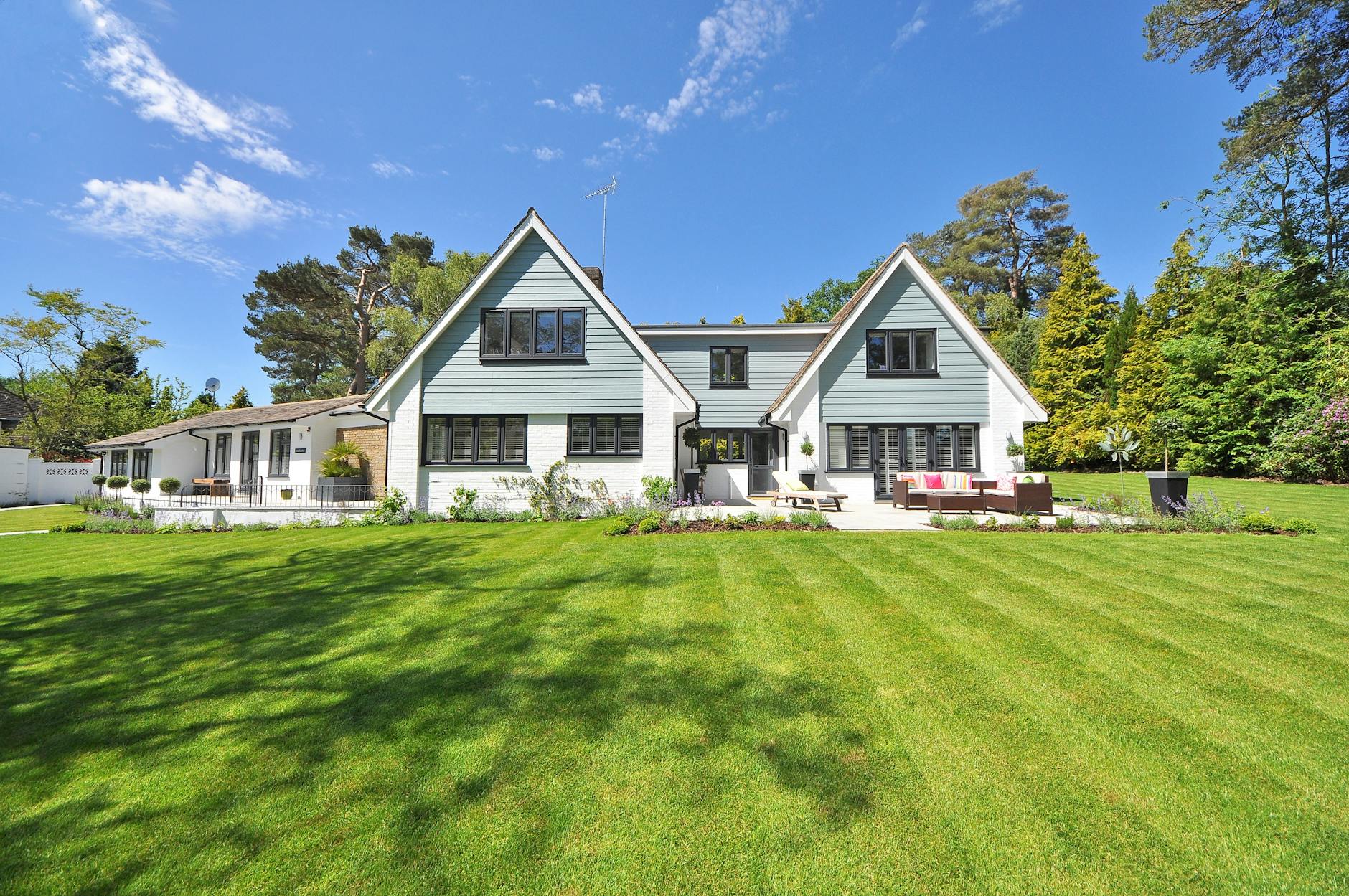
When homeowners look for ways to increase their property's value before a sale or a rental appraisal, a fresh paint job is almost always near the top of the list. It's relatively affordable, turnaround is quick, and the visual impact is immediate. But does it actually move the needle on price, or is it just cosmetic? The short answer is yes, painting your home genuinely adds value, but the return depends on where you paint, what colours you choose, and the quality of the finish.
Why paint matters to buyers and renters
First impressions are formed within seconds of arriving at a property. Faded, peeling, or dated paintwork signals neglect to a potential buyer or tenant, even when the underlying structure is in good shape. Conversely, a crisp, well-chosen paint scheme suggests a home has been looked after. Real estate agents in Melbourne consistently report that properties with fresh, neutral paintwork attract more inspection traffic and spend fewer days on the market. For rental properties in particular, a clean finish between tenancies reduces vacancy periods and can support a higher weekly rate.
Exterior painting: the highest-return investment
If you can only invest in one area, paint the exterior first. The exterior is the first thing a buyer sees before they even walk through the door, and it shapes every impression that follows. A tired render or weatherboard facade can shave tens of thousands of dollars off a buyer's mental valuation before the inspection even begins. A professionally painted exterior restores street appeal and brings a home in line with comparable properties in the area.
Colour choice plays a significant role here. Neutral tones, warm whites, soft greys, and earthy hues tend to appeal to the broadest range of buyers. Highly personal or unconventional colours can limit your market. Our guide on choosing the right exterior paint colour for your home covers how to work with your suburb's character, your roof tones, and your landscape to land on a palette that adds value rather than polarises opinion.
Interior painting: smaller spend, still worthwhile
Interior repaints matter most in high-traffic spaces: the entry, living room, kitchen, and main bedroom. These are the rooms buyers spend the most time in during an inspection. Scuffed walls, yellowed ceilings, and visible wear create doubt about overall maintenance. A neutral repaint in these key rooms creates a sense of space and cleanliness that photographs well and presents strongly in person.
Beyond aesthetics, there is a practical return. Freshly painted walls are easier to clean, they reflect light more effectively, and they give buyers less to negotiate down on. A seller who can honestly say "freshly painted throughout" removes a common objection from the negotiation table.
Interior colour also has a psychological dimension worth considering. Research into how paint colours affect mood at home shows that certain palettes create feelings of calm, space, and warmth that can influence how buyers feel about a home without them consciously registering why.
What kind of return can you expect?
Estimates vary depending on the property, the suburb, and the quality of work, but painting is widely regarded as one of the highest-return pre-sale improvements available. Industry figures in Australia suggest a well-executed exterior and interior repaint can return two to five times the cost in added sale price. A $5,000 paint job on a Melbourne home could reasonably contribute $10,000 to $25,000 in perceived value at auction, particularly in competitive inner and middle-ring suburbs where presentation carries significant weight.
It is worth noting that the quality of the workmanship matters as much as the colour choices. A cheap or rushed job with uneven coverage, drips, or rough edges can actually work against you. Buyers and their building inspectors notice poor-quality finishes, and they factor it in. Professional painters who prepare surfaces properly, apply the right number of coats, and use quality products deliver results that hold up to scrutiny.
Investment properties: painting as ongoing maintenance
For landlords, regular repainting serves a dual purpose. It protects the building fabric from moisture, UV damage, and surface degradation, and it keeps the property competitive in the rental market. In Melbourne's rental market, well-presented properties consistently outperform poorly maintained ones at appraisal time. Scheduling an interior repaint every seven to ten years, and an exterior repaint every eight to twelve years, keeps a property in strong condition and reduces the risk of more costly remediation down the track.
There are also potential tax advantages for investment property owners. Painting is generally considered a deductible repair or maintenance expense in Australia, though the treatment can depend on whether the work restores the property to its original condition or constitutes an improvement. Speak to your accountant to confirm the correct treatment for your specific situation.
Getting the most out of your painting investment
To maximise the return from a repaint, focus on preparation as much as the paint itself. Surface cleaning, patching, sanding, and priming make the difference between a finish that lasts and one that starts showing wear within a year or two. Choose quality paint products suited to the Melbourne climate, which means products that handle high UV exposure on the exterior and resist moisture in bathrooms and kitchens. And engage a painter who will give you a thorough quote, explain what preparation they will do, and stand behind their work with a workmanship guarantee.
A fresh paint job is not a magic fix for a poorly located or structurally compromised property. But for a well-maintained Melbourne home heading to market, it is one of the smartest investments you can make.