
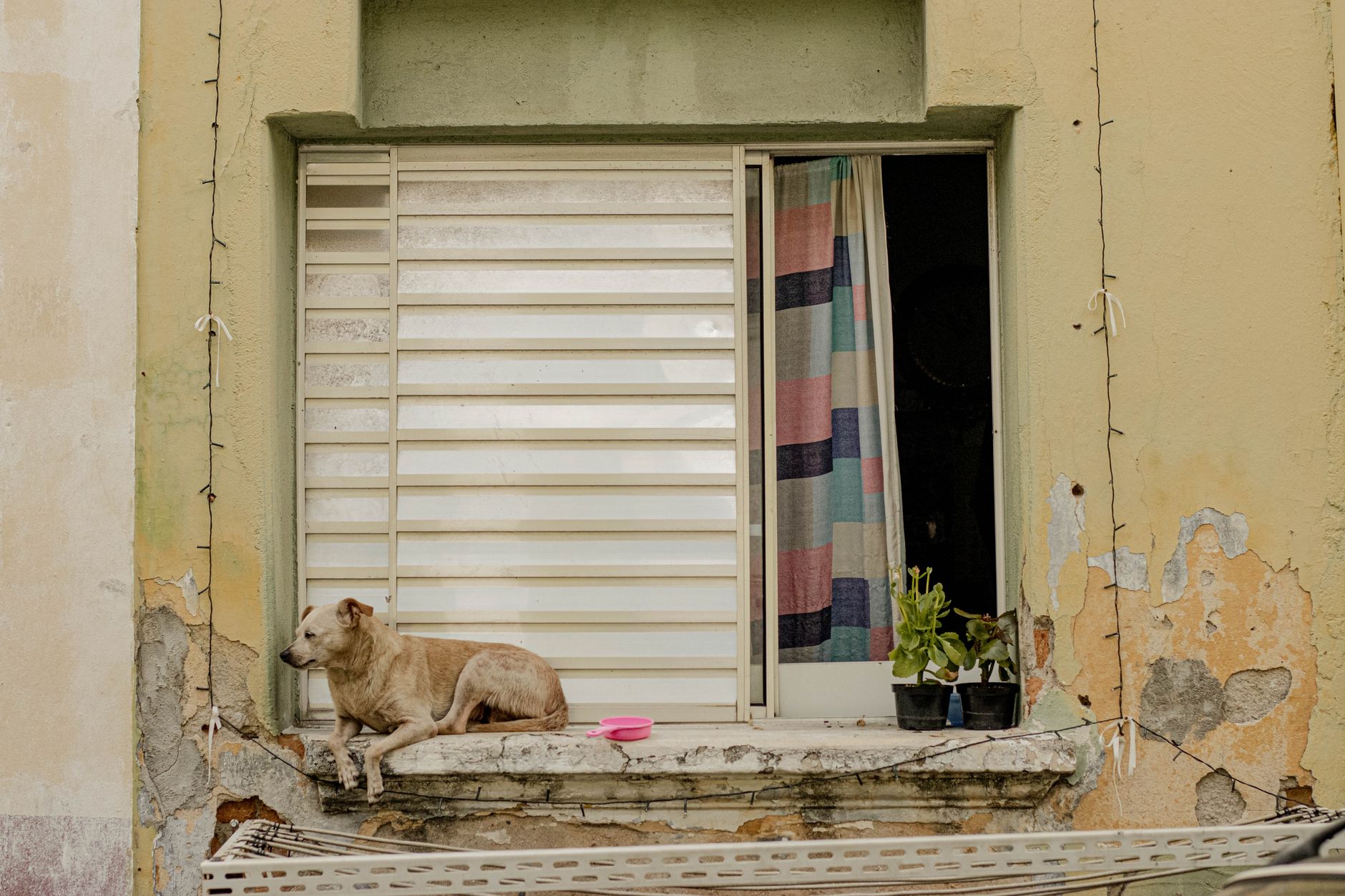
Pet-friendly paint isn't a marketing category. It's a practical decision shaped by what your animals actually do to your walls every day. Dogs scratch door frames when they want in. Cats drag their bodies along skirting boards. Muddy paws leave prints at handlebar height. And the ammonia in pet urine can strip certain finishes entirely. Choosing paint for a home with pets means selecting for washability, adhesion and resistance before you even think about colour.
Why standard interior paint falls short
Most off-the-shelf interior paints are formulated for clean domestic surfaces in reasonably controlled environments. Flat and low-sheen finishes in particular offer almost no washability. A damp cloth removes pet-related marks by removing the paint film along with them. This is the core problem. The paint isn't failing because the product is low quality; it's failing because it was never designed for a surface that gets licked, scratched and rubbed by an animal several times a day.
Flat sheens hide imperfections well, which is why builders and painters default to them on ceilings and low-traffic walls. In a pet household, flat paint on any surface below 1.2 metres is a mistake. The texture gives it grip, and grip means grime accumulates faster than it can be wiped clean. Satin and semi-gloss finishes resist moisture, allow proper cleaning and hold up to the repetitive contact pets inflict.
The right sheen for every surface pets touch
Satin finish is the baseline for pet households. It has enough sheen to be scrubbed without marking, and enough body to withstand light scratching. On walls that dogs lean against or cats rub against regularly, move up to semi-gloss. The slightly harder film is more resistant to abrasion and easier to wipe back to clean. Semi-gloss on skirting boards, door frames and the lower third of hallway walls is a straightforward call. It reads clearly as a deliberate trim choice, and it holds up where flat paint would be chalky and stained within weeks.
For floors and laundry areas where pets sleep or eat, the surface requirements shift again. If you're painting a concrete laundry floor, a two-part epoxy coating gives you a surface that resists pet waste and is genuinely impervious to moisture. Standard floor paint won't last. The same logic applies to any wall near a water bowl or outdoor entry: the surface must be waterproof enough to handle repeated wet contact without blistering.
Washability: what the label actually means
Paint brands use "washable" loosely. A product labelled washable may still mark or lose sheen after 20 to 30 scrubs. For pet households, look specifically for products rated for 10,000 or more scrub cycles under Australian Standards testing. Dulux and Taubmans both produce washable interior ranges with published scrub ratings; read the technical data sheet rather than the front of the tin.
Waterborne acrylic paints clean up easier than oil-based products and dry faster, which matters when you're working around animals. They're also lower in volatile organic compounds, which reduces the risk of respiratory irritation in pets during and after application. If a room needs to be reoccupied quickly after painting, a fast-drying, low-VOC acrylic is the right product. Allow at least 48 to 72 hours of curing before pets have unsupervised access; the paint may feel dry to the touch within hours but won't reach full hardness for several days.
Prep work that actually protects against pets
Surface preparation in a pet household needs to account for two things most standard prep doesn't address: odour absorption and surface contamination. Walls that pets have urinated near or against carry salts in the substrate that will bleed through new paint unless the surface is sealed. A stain-blocking primer applied before the topcoat is non-negotiable in these areas. A standard PVA primer won't do it. Use a shellac-based or oil-based stain blocker on any wall with visible staining or persistent odour, then apply your acrylic topcoat once the primer has cured fully.
Scratched surfaces need to be filled and sanded before painting. Dog scratches on timber door frames are particularly common. Fill with a flexible exterior-grade filler rather than a rigid plaster compound; rigid fillers crack as timber expands and contracts with temperature changes, and a cracked repair on a door frame that gets scratched daily will open back up quickly. Sand flush, prime the repair specifically, and topcoat with a semi-gloss or gloss trim paint. Apex Painting recommends always priming scratch repairs separately rather than relying on the topcoat to seal raw timber filler.
Colours that hide pet-related wear
Colour choice won't eliminate the need for the right products, but it does affect how visible everyday pet wear becomes between cleans. Very pale whites and off-whites show muddy paw prints immediately and make scuff marks obvious from across the room. Very dark colours show dust, pet hair and light scratching clearly. Mid-tone colours in warm or cool neutrals sit in a practical middle ground: they read well in most lighting conditions and don't amplify minor surface marks the way extreme tones do.
Textured finishes are often pitched as a way to hide imperfections, but in pet households they work against you. Texture gives bacteria, pet dander and odour more surface area to cling to, and a heavily textured wall is almost impossible to wipe clean effectively. A smooth, semi-gloss finish in a forgiving mid-tone is the most practical combination for a pet household wall.
Rooms that need the most attention
The entry, hallway and laundry are the three zones that take the heaviest pet-related punishment in most Melbourne homes. Entry halls see muddy paws, wet coats, tail-wagging contact and the inevitable full-body shake. Hallways are narrow enough that dogs and cats make contact with both walls simultaneously as they pass. Laundries double as pet washing areas, feeding stations and sleeping spots.
Painting these three zones with the same product you'd use in a bedroom is a planning error. If you're thinking through your overall paint maintenance plan, it's worth reading about how to choose paint for a home with young children alongside this guide, because the durability requirements overlap significantly. Both environments demand high washability, low sheen on ceilings, elevated sheen on walls and robust prep work on all trim surfaces.
For a broader view of product longevity and how exterior surfaces connect to the overall protection picture, the guide on exterior house painting and long-term protection covers how paint choice and timing interact to keep a property in good condition across years, not just seasons.
When to call in a professional
Pet odour that has penetrated plaster or render isn't a problem that repainting alone can solve. If the substrate has been damaged by repeated moisture from a pet, the affected section may need to be cut out and replaced before any primer or topcoat is applied. Attempting to paint over it will produce a result that looks fine for three to six months before the odour returns through the new film. A professional painter with experience in remedial work can assess whether the surface is sound or whether it needs more than paint.
Apex Painting provides residential painting services across Melbourne, including remedial prep work on surfaces affected by moisture, staining and pet-related damage. The right preparation before the first brush stroke is what separates a repaint that lasts from one that needs redoing inside a year.