
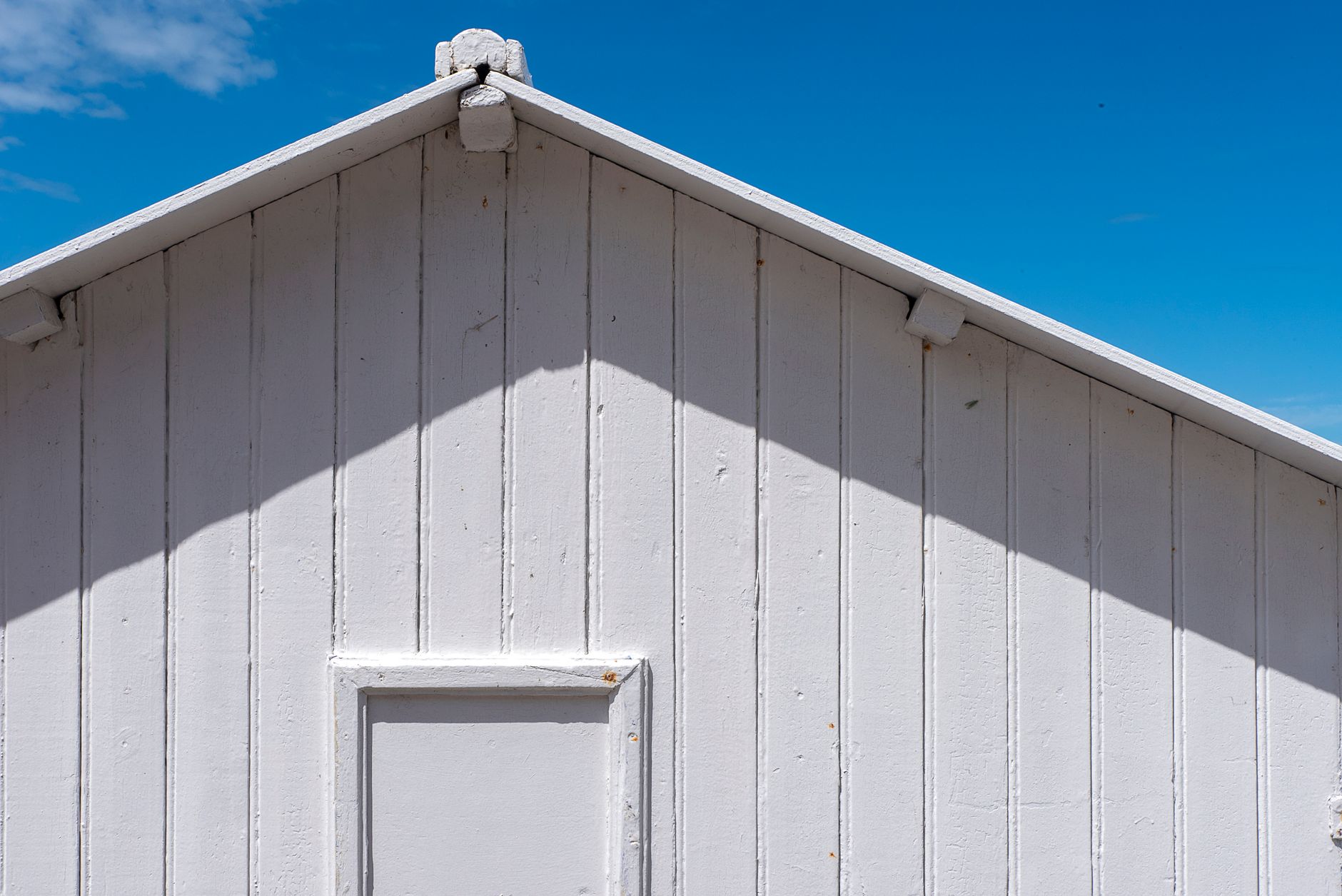
Exterior house painting gets talked about mostly in terms of looks: street appeal, colour choice, curb presentation. Those things matter, but they're secondary to a more fundamental purpose. The paint on the outside of your home is the first line of defence against the elements, and when it starts to fail, the damage it was holding back rarely stays hidden for long.
What exterior paint actually does for your home
Paint forms a physical barrier between your home's structure and everything Melbourne's climate throws at it. UV radiation breaks down timber fibres and bleaches surfaces. Rain and humidity drive moisture into gaps, expanding and contracting with temperature changes until cracks appear. Insects find footholds in weathered, unpainted surfaces. A properly applied exterior coat keeps all of that at bay by sealing the substrate, reflecting UV energy, and preventing moisture from penetrating walls, fascias, eaves and window frames.
The key word is "properly applied". A cheap or rushed job may look presentable for a season, but when paint peels, blisters or crazes, it creates channels for water ingress that are worse than no coating at all. This is why the quality of preparation and application matters at least as much as the product being used.
The real cost of letting exterior paint fail
Deferred maintenance on exterior paint is one of the most reliably expensive decisions a homeowner can make. When the surface coating fails on timber weatherboards, moisture gets in. Timber swells, contracts, and eventually rots. Repairing rotted weatherboards, fascias and window frames costs many times more than the repaint that would have prevented the damage. In brick veneer homes, failing paint around window reveals and sills allows moisture to track into cavity walls, leading to rising damp and mould problems that are both costly and disruptive to fix.
Beyond structural damage, a deteriorating exterior affects your property's value in a measurable way. Buyers and valuers form impressions quickly, and peeling or discoloured paint signals neglect even when the underlying structure is sound. If you're thinking about the return on property upkeep, it's worth reading about whether a fresh paint job genuinely adds value, because the numbers are more compelling than most homeowners expect.
How often should you repaint the exterior?
The general guidance for Melbourne homes is every seven to ten years for a full exterior repaint, though several factors push that window shorter. North-facing surfaces cop more direct UV exposure and often show wear three to four years ahead of south-facing walls. Homes close to the coast or in areas with heavy tree cover experience higher moisture loads and may need attention sooner. Timber substrates typically require more frequent maintenance than fibre cement or render. The honest answer is: inspect annually and repaint when the paint tells you to, not on a rigid calendar.
Signs the exterior is due for attention include chalking (a powdery residue that rubs off on your hand), visible cracking or flaking, sections where the film has gone dull and lost its sheen, and any areas where the paint has pulled away from joins or gaps have appeared around window frames. Catching these signs early means the job is mostly surface preparation and a fresh coat. Ignoring them long enough means substrate repair before you can even start painting.
What a quality exterior paint job involves
The bulk of a professional exterior paint job is preparation. This includes pressure washing to remove dirt, mould and chalking, sanding back any loose or flaking paint, filling cracks and gaps with appropriate exterior fillers, and treating any areas of mould or mildew with a suitable biocide wash before priming. Skipping or rushing any of these steps is where cheap quotes cut corners, and it's where early failure originates.
Primer selection matters too. Bare timber, previously painted surfaces, and rendered masonry all have different porosity and adhesion requirements. A single-coat approach over a freshly prepped substrate almost never delivers the durability a homeowner expects. Two topcoats over an appropriate primer is the standard for a finish that will hold for the full expected lifespan.
For landlords managing multiple properties, keeping on top of exterior condition is part of a broader maintenance strategy. The maintenance tasks smart landlords never skip include exterior paint inspection precisely because the cost of prevention is so much lower than the cost of repair.
Choosing the right exterior paint for Melbourne conditions
Melbourne's climate is genuinely demanding. High UV in summer, significant rainfall across the cooler months, and wide daily temperature ranges in spring and autumn mean the exterior coating needs to be flexible enough to expand and contract without cracking, and stable enough to resist UV degradation without rapid fading.
Acrylic-based exterior paints are the standard choice for most Melbourne homes because they offer good elasticity, strong UV resistance, and breathability that allows trapped moisture to escape without blistering the film. For timber substrates, oil-modified alkyds or specialised timber coatings may be more appropriate depending on the existing finish and the level of movement in the timber. Colour choice plays a role here too: very dark colours absorb more heat and put additional stress on the paint film on sun-exposed surfaces. If you're weighing up colours alongside protection, a guide to choosing the right exterior paint colour covers both the aesthetic and practical considerations.
DIY vs professional exterior painting
A single-storey home with straightforward access and a limited number of surfaces is manageable for a competent DIYer with the right equipment and preparation time. Multi-storey homes, homes with significant weatherboard damage, or any project involving scaffolding should be left to professionals on both safety and quality grounds. The time investment for a full exterior repaint is also routinely underestimated: preparation alone on a medium-sized home can take a full weekend before a brush or roller touches the new paint.
Professional painters bring not just labour but expertise in identifying underlying issues before they're painted over. A good tradesperson will flag rotted timber, failed caulking, or moisture-affected render before quoting the job, which means the homeowner isn't discovering those problems mid-project or, worse, six months later when the new paint starts to bubble.
The long view on exterior maintenance
Treating exterior painting as a periodic maintenance cost rather than a discretionary upgrade is the mindset shift that protects the most value over time. The average Melbourne home represents a significant asset. Spending a few thousand dollars every seven to ten years to keep the envelope watertight and structurally sound is simply good property stewardship. The alternative, reactive repairs to rotted or water-damaged structure, will consistently cost more and cause more disruption. A well-maintained exterior also keeps your property looking its best through every property cycle, which matters whether you're planning to sell, rent or simply stay put for another decade.