
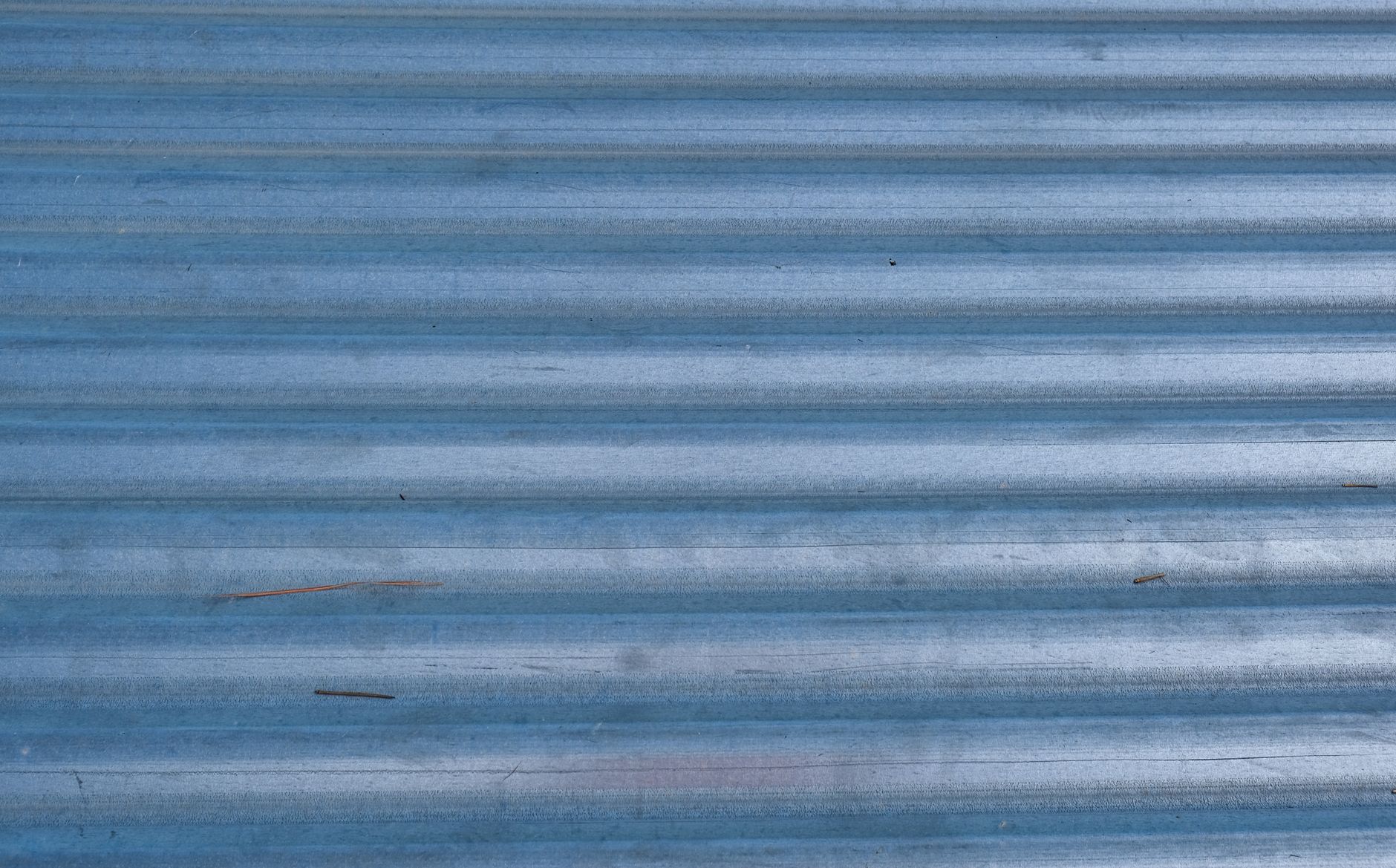
Corrugated iron fences sit on a lot of Melbourne properties, particularly in older suburbs where galvanised sheeting was the default boundary solution for decades. They look great when maintained, but paint fails on them faster than almost any other surface. The corrugated profile traps moisture in the channels, the metal expands and contracts sharply through Melbourne's temperature swings, and standard exterior paints simply aren't built for that kind of movement. If you pick the wrong product or skip the right prep steps, you'll be back stripping rust and peeling paint within two years.
Why corrugated iron is different from other fence surfaces
Steel and iron don't absorb paint the way timber or masonry does. On a fence paling, the paint grips into the grain. On iron sheeting, adhesion depends entirely on the surface condition and the primer you apply. Any rust that forms underneath the paint film will keep spreading, lifting the topcoat off as it goes. That's not a product failure. It's what happens when the surface wasn't treated correctly before painting.
The corrugated profile adds another layer of complexity. The ridges face the sun and dry fast. The channels between them stay damp after rain. That differential drying means the paint film is always under stress, shrinking and expanding unevenly across the sheet. A flexible, metal-rated product handles this. A standard exterior wall paint won't.
Galvanised iron (the zinc-coated kind) has its own quirk: fresh galvanising is actually too smooth and slightly alkaline for most primers to grip. This is called the "wet storage stain" problem, and it catches a lot of painters off guard. New galvanised sheeting needs either an acid etch wash or a specific galvanised metal primer before anything else goes on. Skip that step and the topcoat will peel in sheets within months.
Surface preparation: the part that determines everything
Start with a thorough inspection. Look at every sheet from a low angle so the light catches surface rust, pitting, blistering or old paint that's lifting at the edges. Any area with active rust needs to be addressed before a single drop of primer goes on.
For light surface rust, wire brushing or sanding back to bare metal is usually enough. For deeper pitting, a rust converter product applied directly to the affected metal is the smarter move. Rust converters chemically neutralise iron oxide and create a stable base that primers can grip. Dulux and Crommelin both make rust converter products suited to Australian conditions and worth reaching for by name.
Once any rust is treated, wash the entire fence. A pressure washer set on medium works well here. It clears salt deposits, bird droppings, dirt and any chalky residue from an old paint job. Let the fence dry completely. Painting over damp metal is one of the fastest ways to trap moisture under the film and accelerate corrosion.
If the existing paint is still largely sound but just tired and chalky, a light sand to dull the surface and remove loose material is enough. If it's peeling badly in sections, strip those areas back to bare metal rather than painting over them. A patch of new paint over loose old paint will follow the old paint off the fence.
Primer selection for metal fences
The primer choice is where most DIY paint jobs on corrugated iron go wrong. There are three common scenarios, and each one calls for a different product.
- Bare, previously uncoated steel: use a direct-to-metal (DTM) primer with rust-inhibiting properties. These contain zinc phosphate or similar corrosion inhibitors and are formulated to bond directly to clean steel.
- New or freshly exposed galvanised iron: use an etch primer or a primer specifically labelled for galvanised metal. Regular DTM primers don't grip reliably on fresh galvanising.
- Previously painted iron in sound condition: a quality acrylic metal primer applied over the sanded existing coat is usually sufficient.
Apply primer into the channels of the corrugated profile first, then work across the ridges. A brush is better than a roller for getting into those recesses. Don't rush the drying time between coats. Metal primers need adequate cure time before topcoating, especially in cooler Melbourne weather.
Choosing the topcoat
The best topcoat for a corrugated iron fence is a flexible, acrylic-based exterior metal paint with a satin or semi-gloss finish. Gloss finishes show imperfections more readily on a corrugated profile, but flat finishes hold dirt and don't shed water well. Satin sits in the right middle ground.
Avoid standard exterior wall paints marketed for masonry or render. They're formulated for surfaces that don't flex, and they'll crack along the expansion lines of the sheeting over time.
Colour choice on a metal fence has a practical dimension too. Dark colours absorb significantly more heat, which increases the rate of expansion and contraction and shortens the life of any paint film. In Melbourne's summer conditions, a dark charcoal or black fence can reach surface temperatures high enough to affect adhesion. Lighter tones are kinder to the paint system. If you do want a dark colour, go for a product specifically designed for high-heat metal surfaces.
For homes where the fence sits near a pool or in a permanently damp or shaded spot, the same principles that govern how to choose paint for a home with a pool or spa area apply to fence selection: moisture resistance and mould inhibitors in the topcoat are worth the extra cost.
Application method and technique
A brush is the most controlled tool for corrugated iron. It forces paint into the channels and around the ridges without the overspray waste of a spray gun. A short-nap roller (6mm or less) can work on the flat ridges once the channels are done, but don't rely on it to get into the recesses.
Work on cool, overcast days where possible. Direct summer sun heats the metal quickly, and paint applied to a hot surface dries too fast. The film doesn't flow out properly, adhesion suffers, and you get a dry, grainy surface rather than a smooth, bonded one. Melbourne's autumn and spring are ideal. If you must work in summer, paint in the morning before the fence heats up.
Two thin coats outperform one heavy coat on metal every time. A thick coat sags on the vertical profile and dries unevenly. Thin coats build up more slowly but adhere better and last longer.
Matching the fence treatment to the rest of the exterior
A corrugated iron fence is part of the broader exterior envelope of your property. If you've recently had your home's exterior repainted, or if you're planning a full exterior refresh, it makes sense to treat the fence at the same time. That way the colour scheme reads as intentional rather than piecemeal, and the fence doesn't stand out as the weakest-looking element after the house looks fresh.
Apex Painting handles corrugated iron fences as part of full exterior paint jobs across Melbourne. Treating the fence at the same time as the house means one mobilisation, one colour-matching exercise, and a consistent finish across the whole property.
If you're also thinking about the longevity of your whole exterior paint system, the article on how to choose exterior paint that handles Melbourne's climate covers the product and substrate decisions that apply across every surface on your home's outside.
Maintenance between full repaints
An iron fence that's been properly primed and topcoated should hold its finish for five to eight years in typical Melbourne conditions. The variable is how much sun, salt wind or moisture it faces. A fence on a south-facing boundary in partial shade will outlast one on a north-facing street frontage that bakes in full sun from October through March.
Inspect the fence every spring. Look for any spots where the paint is starting to lift at the edges of the sheets, around fasteners, or in the channel recesses. Catching a small area of rust early and spot-treating it costs very little. Leaving it to spread means stripping and repriming a much larger area next time.
Touch up any chips or scratches quickly. Bare metal on an iron fence starts rusting within days in humid conditions. Keep a small tin of the original topcoat for spot repairs, and clean the surface with a rag dampened in mineral spirits before applying.