
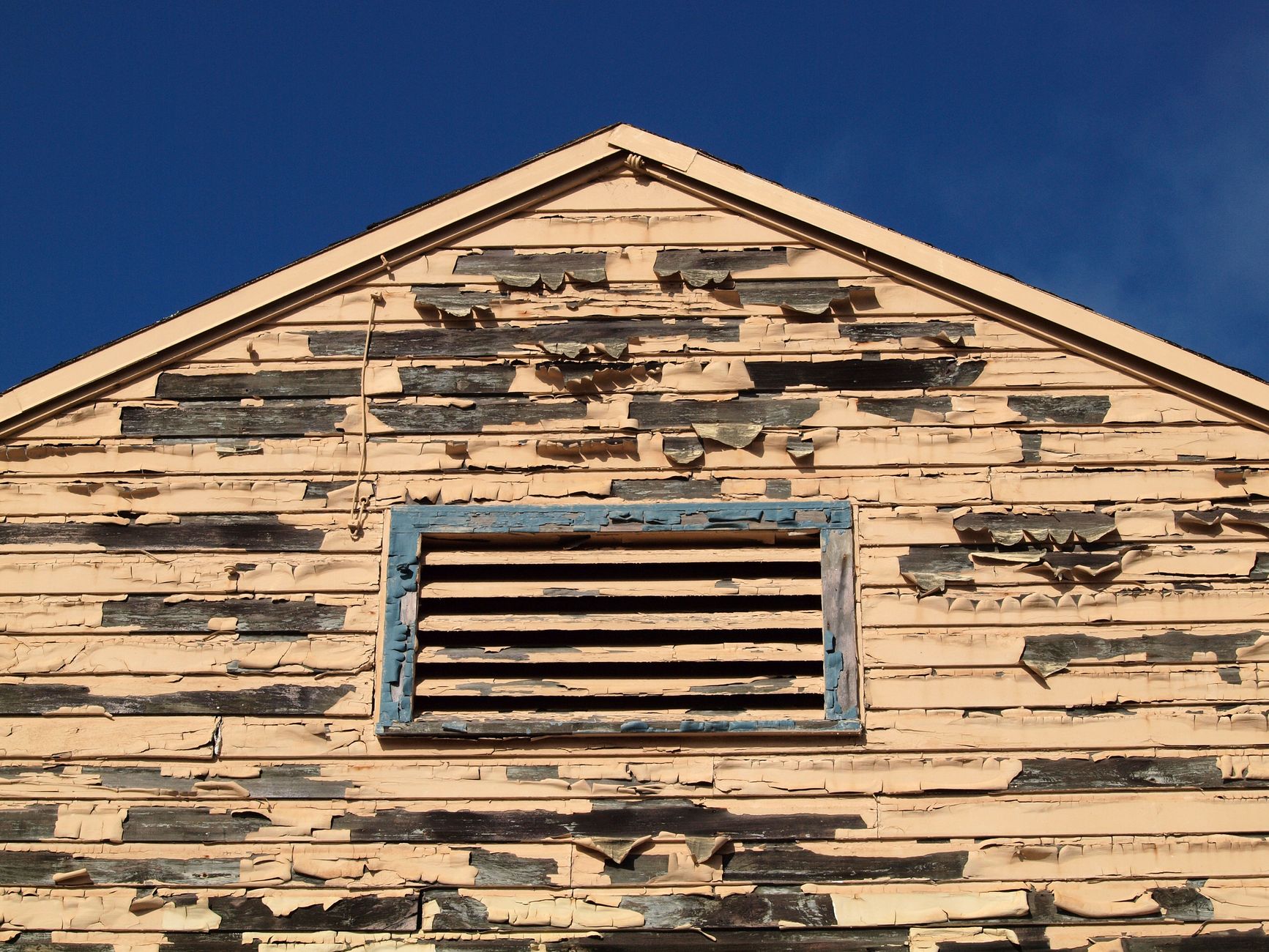
Melbourne's exterior paint takes a beating that most Australians underestimate. In a single week, a painted surface here might face 35-degree heat, driving rain, UV-saturated afternoons and a cold overnight drop that stresses the film at the molecular level. Choosing a product without factoring in those conditions is one of the most common reasons exterior paint fails early. Apex Painting works on homes across Melbourne, and the product selection conversation comes up on almost every job.
Why Melbourne's climate is unusually harsh on paint
Most paint manufacturers test products against a regional average. Melbourne doesn't have a regional average. The Bureau of Meteorology has recorded temperature swings of more than 20 degrees Celsius within a single day in Melbourne on multiple occasions. That kind of thermal cycling causes paint films to expand and contract repeatedly, stressing the bond between the paint and the substrate beneath it.
UV exposure compounds the problem. Melbourne sits at a latitude where summer UV index readings regularly hit 11 or higher, which is in the "extreme" category. A paint film that handles UV in, say, coastal New South Wales may still chalk, fade or crack faster than expected here because the UV arrives at a steeper angle and with higher intensity through summer.
Moisture is the third factor. Melbourne's rainfall isn't especially high compared to Brisbane or Darwin, but it's unpredictable. Paint applied over timber or render that hasn't fully dried after a rain event will blister. Homes with south-facing elevations stay damp for longer after rain, which means the paint on those walls faces sustained moisture exposure even when the rest of the house has dried out.
What to look for in an exterior paint product
Flexibility matters more than hardness for Melbourne exteriors. A paint film that cures rigid will crack as the substrate moves. Acrylic-based exterior paints outperform oil-based alternatives here because they remain more elastic across a temperature range and allow moisture vapour to pass through rather than becoming trapped beneath the film. Trapped moisture is what drives blistering and flaking.
Look for products that specify UV resistance and include a titanium dioxide concentration above 15 percent. Titanium dioxide is the pigment that blocks UV, and cheaper paints cut it down to reduce cost. Dulux Weathershield and similar premium exterior ranges publish their UV resistance ratings in their technical data sheets. Read them rather than relying on marketing copy on the tin.
Sheen level affects durability outdoors. Low-sheen and flat finishes look attractive but offer less resistance to surface moisture and scrubbing. A low-sheen or satin finish on most exterior walls gives you a reasonable balance between appearance and washability. Full gloss is typically reserved for trims, doors and metal surfaces where hardness and easy cleaning matter more than visual softness.
Substrate-specific choices
Rendered walls and timber weatherboards don't want the same paint. Render is alkaline when fresh and can attack a paint film applied too early. On rendered surfaces, Apex Painting recommends waiting a minimum of 28 days on new render before topcoating, and using an alkali-resistant primer first. Once you're past the alkalinity risk, a quality elastomeric or texture paint handles the hairline cracks that render develops over time much better than a standard exterior acrylic.
Timber needs a different approach. Bare or repainted timber that has any degree of grain rise or moisture uptake should be primed with an oil-based or penetrating primer before any water-based topcoat goes on. This is where many DIY exterior jobs fail: applying a water-based topcoat directly to absorbent or weathered timber without sealing the grain first. The topcoat raises the grain, loses adhesion and starts peeling within a season. Understanding the early signs of exterior paint failure often traces back to exactly this prep step being skipped.
Brick and masonry are porous and hold moisture differently again. A breathable masonry paint is non-negotiable on unpainted brick. Sealing the surface completely with a non-breathable product traps moisture inside the brick, which then forces its way out through the paint film as vapour pressure builds in summer.
Colour choice and heat absorption
Dark colours absorb more heat. On a 35-degree Melbourne day, a dark-painted surface can reach surface temperatures above 70 degrees Celsius, which accelerates the breakdown of the binder in the paint film. If you want dark colours on an exterior (and they can look striking on a Melbourne home), choose a product specifically formulated for dark-colour applications. Several manufacturers now make heat-reflective tinted bases that reduce surface temperature by using infrared-reflective pigments. It's a genuine performance difference, not just marketing.
Light and mid-tone colours are inherently more forgiving in heat. They also show dirt and biological growth more readily, which means regular cleaning becomes part of maintaining the finish. Apex Painting generally recommends mid-tone warm neutrals for Melbourne exteriors as a practical compromise: they handle thermal cycling well, hide surface grime between washes and stay on trend without looking dated within five years.
When to repaint versus maintain
Not every exterior paint problem needs a full repaint. Spot preparation, washing and a touch-up coat can extend a sound paint job by two or three years if the underlying film is still adhering well. The test is simple: press your thumb firmly against the surface and drag it. If the paint chalks heavily onto your thumb or you can feel the film is powdery, the binder has broken down and the whole surface needs stripping and repainting. If the surface is clean, intact and just faded, a repaint topcoat over a lightly abraded surface may be enough.
Keeping up with exterior paint maintenance between professional repaints is what separates a 10-year finish from an 8-year one. Cleaning mould and lichen off south-facing walls once a year, resealing any gaps around window frames and checking for rust bleed from metal fixings all extend the life of the existing paint film without the cost of a full repaint.
Getting the product selection right
The difference between a 5-year and a 10-year exterior paint job in Melbourne often comes down to three things: correct substrate preparation, the right primer for the surface type and a topcoat with sufficient flexibility and UV resistance for local conditions. Product cost is a factor, but cutting budget on the topcoat in a Melbourne climate is a false economy. A premium product applied correctly over properly prepared surfaces will outlast a bargain product applied well every time.
Apex Painting specifies products based on the surface, the elevation's sun and rain exposure, and the colour family chosen. If you're planning an exterior repaint and want advice on which products suit your home's specific substrate and aspect, Apex Painting serves homeowners across Melbourne and can assess the job before any product is ordered.