
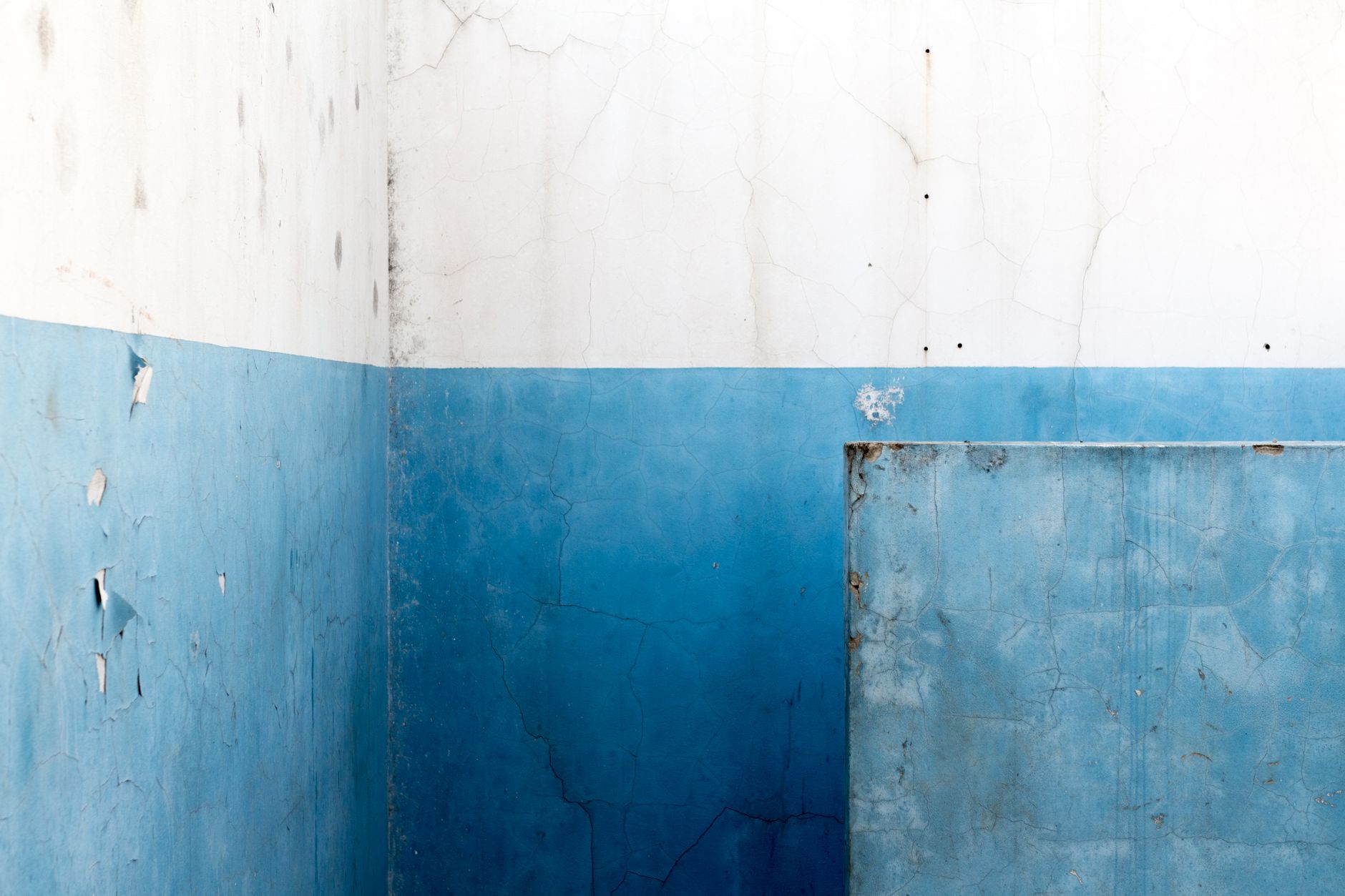
Painting a room with high humidity is one of the most reliable ways to end up with a blistered, peeling finish within months. Moisture trapped beneath or within a paint film has nowhere to go, and it pushes outward. The result looks like a surface problem, but it's almost always a process problem. Getting humidity right before you open a tin saves a costly redo.
Why humidity causes blistering
Paint needs to bond to a surface. When that surface carries moisture, or when water vapour is suspended in the air during application, the film can't fully adhere. Solvent-based paints are more tolerant than water-based ones up to a point, but neither performs well when relative humidity climbs above 85%. The solvent or water in the paint evaporates at the wrong rate, the film skins over before the underlayers have cured, and moisture pushes through as trapped vapour expands. You get blisters.
Rooms that face this most often are laundries, bathrooms, kitchens and any enclosed space with poor airflow. Melbourne's humidity swings compound the problem: a dry morning followed by a humid afternoon can catch even experienced painters off guard.
How to measure humidity before you start
Don't guess. A basic digital hygrometer costs under $30 and gives you real-time relative humidity (RH) and temperature readings. Aim to paint when RH sits between 40% and 70%, and surface temperature is at least 3°C above the dew point. That 3°C margin is the minimum buffer that prevents condensation forming on the surface mid-application.
Take readings at different times of day. A room that reads 60% RH at 8am may climb to 80% by 2pm if a bathroom is in use next door or external humidity rises. Paint in the window when conditions are stable, not just acceptable at the start.
Surface preparation in humid conditions
Surface moisture is the hidden problem. Even if the air feels manageable, walls in high-humidity rooms hold more moisture in the substrate than walls in dry areas. Press a piece of plastic sheeting flat against the wall and tape the edges. Leave it for 24 hours. If condensation forms on the underside, the wall is too wet to paint.
Run a dehumidifier in the room for 48 hours before starting. Open windows on dry days. If the surface has existing blistering or peeling from a previous job, strip it back fully rather than painting over it. Apex Painting treats failed surfaces this way on every job: no amount of quality product compensates for moisture left in the substrate.
For rooms that have suffered genuine water ingress, address the source before touching paint. Blistering that keeps returning is almost never a paint problem. It's a condensation or moisture problem that paint can't solve on its own. Our guide on how to manage condensation damage on interior walls covers that diagnostic process in detail.
Choosing the right paint for humid rooms
Not all paints handle moisture the same way. For high-humidity interiors, you want a product with three properties: mould resistance, a semi-gloss or satin sheen (both are easier to wipe and less porous than flat finishes), and a formulation rated for wet areas.
Water-based acrylic paints with a mould inhibitor are the standard choice for Australian humid rooms. Products from Dulux and Taubmans both offer bathroom and kitchen specific lines that include anti-fungal additives and are formulated for higher moisture tolerance. Read the technical data sheet rather than just the label: look for a listed maximum humidity range and a stated minimum application temperature.
Flat and low-sheen paints are not suited to rooms that see steam, condensation or regular splashing. They're more porous, harder to clean and hold moisture in the surface layer. Save them for bedrooms and living areas where humidity is controlled.
Application technique in humid conditions
Thin coats. This is the single most important rule when painting in higher humidity. A thick coat takes longer to dry, which gives moisture more time to disrupt the film. Two thin coats, fully cured between applications, will outperform one heavy coat every time.
Check dry times on the label, then add a buffer. If the product says two hours recoat time, give it three in humid conditions. The surface may feel dry to the touch before the film has actually cured. Touch-dry and recoat-ready are not the same thing.
- Keep a fan running to promote even airflow across the surface while paint dries.
- Don't use the shower, kettle or stove while painting nearby rooms.
- Stop applying paint if you feel visible condensation or the surface starts to look tacky mid-stroke.
Avoid painting early in the morning in summer when dew point is high, or late in the afternoon when humidity typically peaks in Melbourne. The mid-morning window, roughly 9am to noon, is often the most stable.
What to do if blistering has already happened
If blisters appear after a recent paint job, don't pop them immediately and repaint. Let the surface dry fully. Once dry, scrape and sand back to a sound edge, prime the bare area with a moisture-tolerant primer, and recoat. If blisters reappear in the same spots after a second coat, the moisture source hasn't been resolved and repainting again will produce the same result.
Blistering near windows and sills is often caused by condensation during cold nights rather than humidity during the job itself. For rooms where this is a recurring issue, a vapour-barrier primer applied before the topcoat can help slow moisture migration through the wall. The same logic applies to rooms with persistent paint failure: the prep matters more than the product. Our article on how to handle paint failure on rendered walls after patching walks through a similar diagnostic approach for patched surfaces.
When to call a professional
Humidity-related paint failure that keeps returning despite correct product selection and preparation usually points to a structural moisture issue: inadequate ventilation, a failed vapour barrier, or water ingress from outside. Apex Painting assesses surface conditions before quoting on any repaint in a wet-area room. A professional inspection costs far less than a third attempt at the same wall.
Rooms that have been affected by mould also need treatment with a fungicidal wash before any paint is applied. Standard sugar soap won't kill mould spores embedded in plaster. Skip that step and the mould returns through the new paint within weeks.