
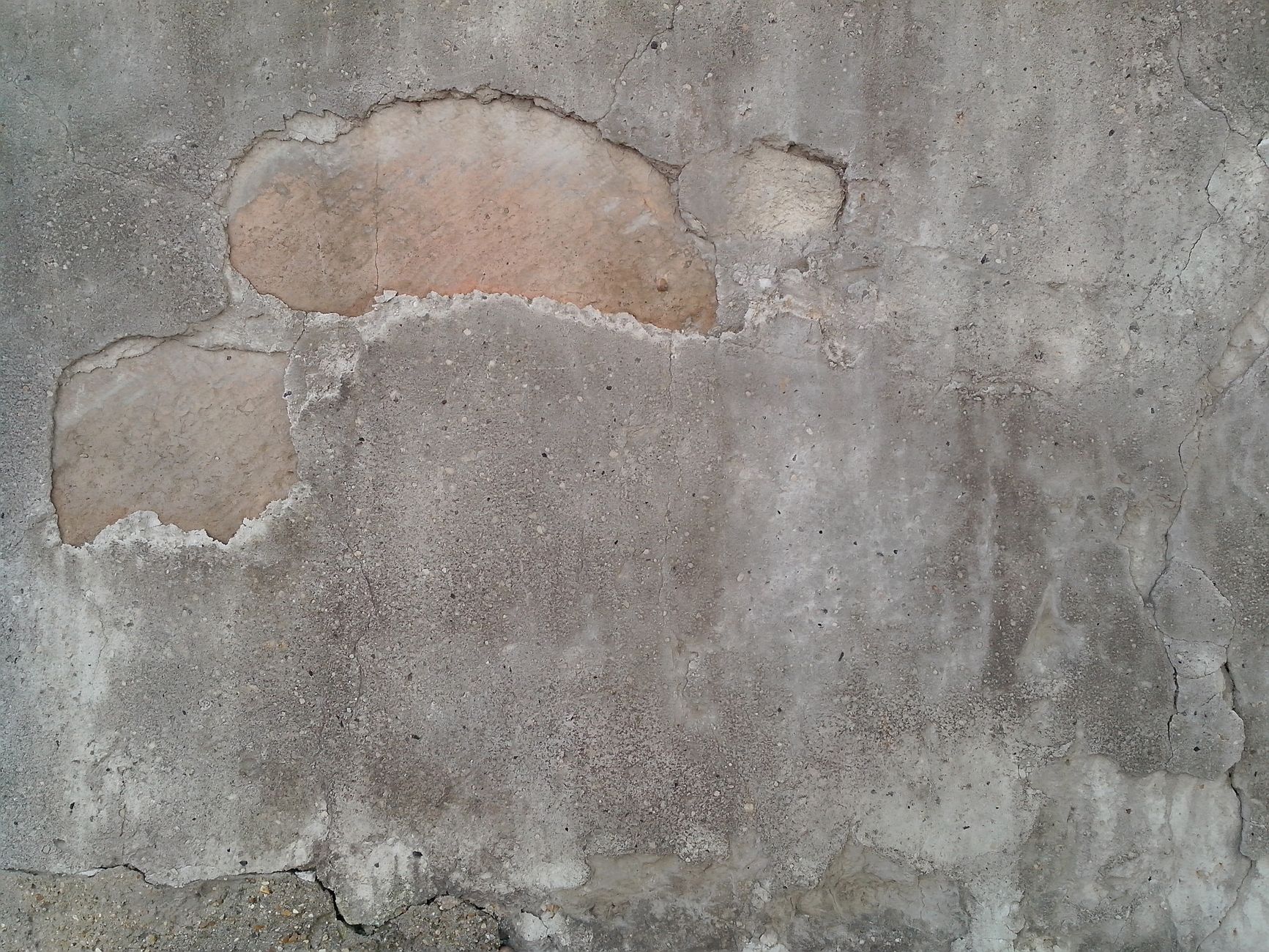
Patched rendered walls are one of the most common triggers for paint failure that Apex Painting encounters on Melbourne properties. A crack gets filled, the patch dries, the whole wall gets a coat of paint, and within weeks the repaired area starts peeling or showing through the finish as a grey ghost. The patch didn't fail. The preparation around it did.
Why patches cause paint to fail
Fresh render and patching compound are highly alkaline when new. That alkalinity attacks paint binders, breaking the bond before the paint has any real chance to cure. Acrylic paints cope better than oil-based ones, but no paint bonds reliably to an unprimed patch that hasn't fully cured.
Porosity is the other problem. A fresh patch is far more porous than the surrounding wall, so it drinks the first coat of paint unevenly. The result is a flat, chalky spot that won't colour-match the rest of the surface no matter how many top coats you apply. Two coats over an untreated patch still look like one coat over bare concrete.
The surrounding paint doesn't help either. Old paint around the edges of a patch may be chalky, poorly adhered or contaminated with surface salts. Painting across that boundary without treating both surfaces locks in the problem.
How long a patch needs to cure before painting
This is the step most people skip. A cement-based patching compound needs at least 28 days to fully cure before painting. Acrylic-modified render fillers cure faster, often in 7 to 14 days, but they still need time. Pressing the back of your hand to the patch and feeling it cool and damp means it isn't ready. It should feel room temperature and completely dry to the touch.
In Melbourne's climate, curing time varies with the season. A patch applied in June during cold, damp weather takes significantly longer than the same patch applied in February. Don't count days on a calendar alone. Check the patch physically before you prime it.
If you're working on a property with moisture ingress history, allow extra time and check that the moisture source is resolved before patching at all. Repainting a patch over an active leak is work that will need to be redone. If water damage was the original cause, Apex Painting recommends reviewing the how to handle paint damage after a roof leak process before touching the render.
Priming the patch correctly
A bare render patch needs a dedicated primer, not just a thinned-down coat of the topcoat paint. Use an alkali-resistant primer on cement-based patches. It neutralises surface alkalinity and seals the porous face so the topcoat bites into something stable.
Apply the primer in two stages if the patch is deep or highly porous. Let the first coat absorb fully, then apply a second before it flashes off completely. This is called wet-on-wet priming, and it builds a more even sealing layer than waiting for the first coat to dry hard before applying the second.
For acrylic-modified fillers, a quality acrylic sealer primer is sufficient. Check the filler manufacturer's data sheet. Most specify a compatible primer and a minimum dry time before paint, and ignoring that is how warranties are voided.
Once the primer is dry, run your hand across the patch boundary. If you can feel the edge of the patch, fill and sand before the topcoat. Paint won't hide a step. It makes it more visible.
Feathering and blending into the existing surface
Even a perfectly primed patch will show as a distinct zone if the surrounding surface hasn't been prepared. Sand the edges of the patch back to a feathered taper, not a hard edge. Use 120-grit sandpaper and work the surrounding old paint until the transition is gradual rather than abrupt.
If the existing render is chalky or powdery (run your hand across it and check for a white residue), the whole wall face needs a diluted sealer coat before any topcoat goes on. Chalky render means the binder in the old paint has broken down, and painting over it gives the new coat nothing solid to grip. Apex Painting treats the full wall surface, not just the patch, whenever this condition is present.
Understanding the long-term behaviour of rendered walls matters here. For a broader picture of how moisture and cracking affect render over time, see how to protect rendered walls from cracking and moisture damage, which covers the structural causes behind many of the patches that end up needing paint treatment.
Choosing the right topcoat for a patched rendered wall
Exterior rendered walls need a flexible, breathable topcoat. Rigid coatings trap moisture and crack when the render expands and contracts with temperature. In Melbourne, where a single day can move 15 to 20 degrees Celsius, that movement is real and frequent.
Use a 100% acrylic exterior paint rated for masonry or render. Avoid budget-grade paints with high filler content; they build up a thick, brittle layer that cracks at patch boundaries. A quality paint applied in two thin coats outperforms a thick single coat every time.
Sheen level affects durability on exterior render. Semi-gloss and gloss finishes are easier to clean but show surface irregularities more than low-sheen or flat options. If the patched area is slightly textured differently from the surrounding render, a low-sheen finish is more forgiving. Flat paint hides texture variation best, though it's less resistant to moisture and staining.
For properties heading to market, the quality of the paint job on the exterior is one of the first things buyers notice. If the broader repaint is tied to a sale, reviewing the approach to how to prepare your home for sale with paint gives a useful framework for prioritising where money and effort go.
When a patch signals a bigger problem
A single hairline crack patched and painted correctly will hold for years. Multiple cracks appearing in a pattern, cracks that reopen after patching, or patches that feel hollow when tapped all point to something structural. Movement in the substrate, failing expansion joints, or ongoing moisture ingress will keep producing cracks faster than any painter can fill them.
Don't keep patching the symptom. If a rendered wall has cracked in the same locations twice, get a structural assessment before the next repaint. Paint applied over a moving substrate peels within months.
Apex Painting inspects rendered walls before quoting any repaint on a property with visible patching or crack history. The prep is always more work than it looks, but getting it right means the finish holds for a decade rather than falling apart inside two years.