
If you want to increase home value with paint, you're already thinking like a savvy property owner. Painting is one of the few home improvements that consistently returns more than it costs, and when done right, it can shift a buyer's first impression from hesitant to convinced before they've even stepped inside. The key is knowing which areas to target, which colours to choose, and where the common mistakes lie.
Why paint has such a strong impact on property value
First impressions in real estate are formed within seconds. Peeling paint, scuffed walls, or dated colour schemes signal to buyers that a home hasn't been cared for, even when the bones of the property are sound. Fresh paint reverses that impression instantly. It makes rooms feel larger, cleaner, and more finished, all without the cost and disruption of a renovation. If you want to explore the research behind this, the post on whether a fresh paint job adds value to your home breaks down what buyers and agents consistently report.
Start with the exterior: street appeal sells
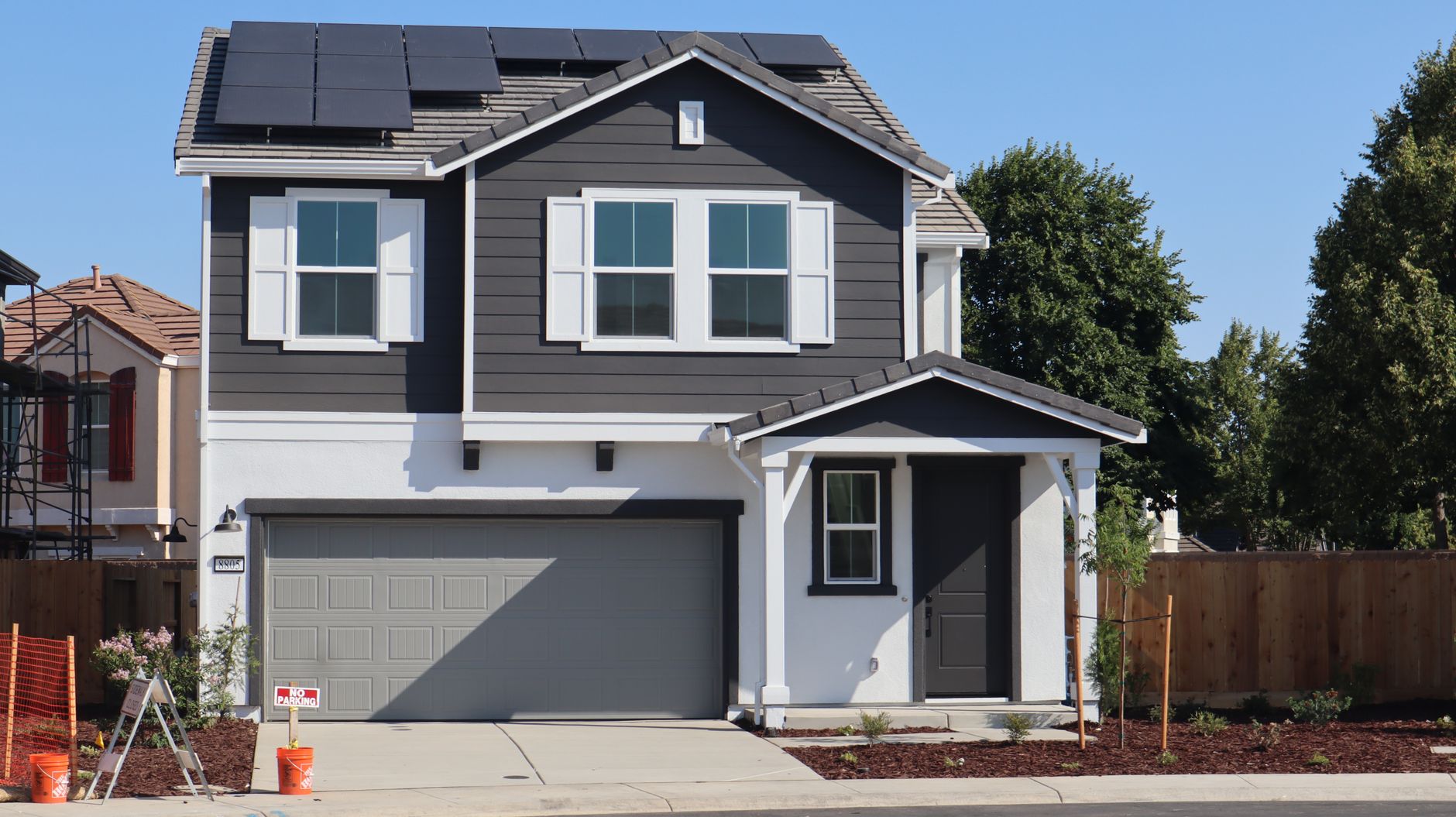
The exterior of your home is the first thing buyers see, whether in person or in listing photos. A fresh exterior paint job in a well-considered colour can lift perceived value significantly. Chalky, faded, or mismatched tones make a property look older and less maintained than it may actually be.
For exterior colour selection, stick to tones that suit your home's architectural style and complement the surrounding streetscape. Neutral palettes (warm whites, stone greys, soft greiges) tend to appeal to the broadest range of buyers, while a well-chosen feature colour on the front door or trim adds personality without risk. If you're unsure where to start, our guide on how to choose the right exterior paint colour for your home walks through the process in practical detail.
The interior rooms that matter most
Not every room carries equal weight when it comes to adding value. Buyers spend the most time assessing these spaces, so prioritise them when budgeting your paint project.
- Living areas: The lounge and main living space set the tone for the whole home. A light, neutral base colour makes these rooms feel spacious and easy to personalise.
- Kitchen: If cabinetry is dated, painting it in a contemporary colour (soft white, warm grey, or even a deep navy for a bolder statement) is far cheaper than replacement and can transform the room.
- Master bedroom: Buyers often imagine this space as their retreat. Calm, restful tones such as soft sage, warm taupe, or classic white tend to perform well here.
- Bathrooms: Clean, crisp paint in a light colour makes bathrooms feel fresh and hygienic. Pay attention to ceiling paint, which can yellow over time from humidity.
- Hallway and entry: The entry is the transition point. A well-painted hallway signals quality throughout and sets a positive tone before buyers reach any other room.
Choosing colours that appeal to buyers, not just you
Personalised colour choices can actively work against you at sale time. A deeply saturated feature wall that you love may read as "hard work to repaint" for a prospective buyer. The goal when selling is to present a canvas that feels move-in ready and easy to live in.
Neutral doesn't have to mean boring. Warm off-whites, soft taupes, and gentle grey-greens all read as sophisticated and current without alienating buyers. It's also worth understanding how colours interact with natural light in each room. A cool grey that looks elegant in a north-facing room can feel cold and unwelcoming in a south-facing space. Understanding how paint colours affect mood and atmosphere can help you make smarter decisions room by room.
Don't overlook the details
Buyers notice more than walls. Scuffed skirting boards, chipped door frames, and grimy ceiling lines are all signs of deferred maintenance that erode confidence. Repainting trims, architraves, and ceilings alongside your walls gives the whole job a polished, professional finish that DIY patch-ups rarely achieve.
If you're repainting rooms yourself, preparation is where most of the value is either gained or lost. Proper filling, sanding, and priming before you apply a topcoat is what separates a finish that looks fresh from one that looks rushed.
Professional painting vs DIY: what's worth the investment
For high-visibility areas like the exterior, main living spaces, and anywhere with complex trim work, professional painting tends to deliver better results and save time. Professionals bring the right preparation skills, equipment, and product knowledge to achieve a finish that holds up under buyer scrutiny.
DIY can be a reasonable option for lower-traffic rooms or if you have prior experience and the time to do it properly. The risk with DIY is cutting corners on prep or using cheaper products that don't cover uniformly, which can make the end result look worse than the original walls.
A quick checklist before you start
- Assess the exterior first and address any peeling or cracking before applying new paint.
- Choose a neutral colour palette for broad buyer appeal.
- Prioritise high-traffic and high-visibility areas: entry, living room, kitchen, master bedroom.
- Don't skip trim, skirting boards, and ceilings - they complete the finish.
- Use quality paint products rated for the specific surface (interior, exterior, bathroom-grade where needed).
- Get at least two quotes from licensed painters if engaging professionals.
Paint is one of the most accessible and cost-effective tools a homeowner has for adding real, measurable value to a property. Whether you're preparing to sell, refinancing, or simply protecting your investment, a considered approach to colour and finish will consistently outperform most other cosmetic upgrades you could make.