
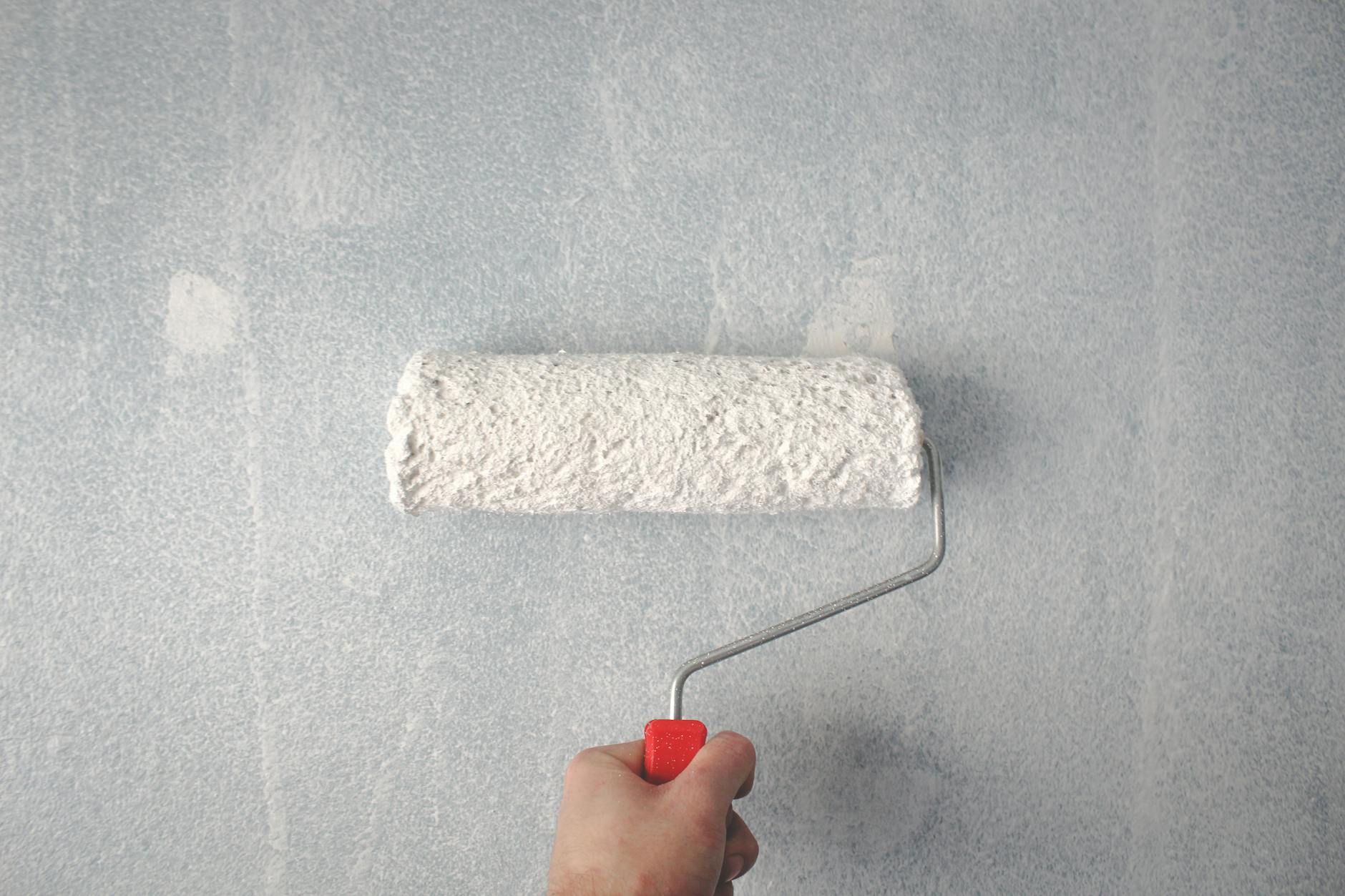
Getting a handle on home painting costs before you call a painter is the smartest first step you can take. Prices vary more than most homeowners expect, and without a clear framework it is easy to get caught off guard by quotes that seem wildly different from one another. This home painting cost guide walks through the main cost drivers, typical price ranges for jobs of different sizes, and the questions worth asking before you sign anything.
What drives the cost of a house painting job?
No two painting projects are identical, but almost every quote comes down to the same handful of variables. Understanding them helps you compare apples with apples when you receive multiple proposals.
- Surface area. Painters typically price interior work by the square metre of wall and ceiling space. Larger homes cost more, but price per square metre often falls slightly on bigger jobs because setup time is spread across more surfaces.
- Paint quality. Budget-range paints can cost less than $30 per litre, while premium low-VOC and washable finishes sit at $70 to $100 per litre or more. A professional painter will generally recommend a product tier to match the room's use and the finish you want.
- Number of coats. A colour change from dark to light (or vice versa) usually requires a sealer coat plus two topcoats. Repainting in a similar colour over a sound surface may need only one or two coats, reducing both paint and labour costs.
- Prep work. Filling cracks, sanding back flaking paint, sugar-soaping grimy surfaces, and masking all take time. Homes that have not been painted in a decade typically require significantly more prep than a recently refreshed property.
- Access and height. Raking ceilings, stairwells, and double-storey exteriors all require scaffolding or specialised ladders, which adds both hire costs and time on site.
- Number of rooms and inclusions. Doors, window frames, skirtings, cornices, and built-in robes each add to the scope. Always clarify exactly what is and is not included in a quote.
Typical price ranges for common jobs in Melbourne
The following ranges reflect what Melbourne homeowners can generally expect to pay in 2026. They cover labour and standard-quality paint but assume reasonable surface condition. Jobs requiring heavy prep, premium paints, or difficult access will sit at the higher end or above these bands.
Keep in mind these are indicative figures, not fixed prices. A detailed, room-by-room quote from a licensed painter is always the most reliable way to budget your specific project.
Interior vs exterior: where the money goes
Interior painting is generally more labour-intensive per square metre than exterior work because of the careful cutting-in required around skirtings, cornices, power points, and door architraves. However, exterior jobs often involve higher access costs and more thorough surface preparation, especially on older homes where paint may be chalking, cracking, or peeling away from the substrate.
Exterior paint also tends to be a higher-cost product because it needs to withstand UV exposure, moisture, and temperature swings. If you are choosing the right exterior paint colour at the same time as budgeting for the job, factor in that deeper pigments sometimes require an extra topcoat to achieve full, even coverage.
The real cost of DIY vs hiring a professional
A DIY repaint looks appealing on paper. You skip the labour component, which typically accounts for 60 to 70 percent of a professional quote. In practice, though, the gap narrows quickly once you account for brush and roller purchases, masking tape, drop sheets, primer, cleaning products, and the time the job actually takes.
A single bedroom that a professional two-person team finishes in a day can easily take a first-time DIY painter a full weekend, with results that may need touching up. For a single accent wall or a small rental room refresh, DIY can still be worthwhile. For whole-home repaints, multi-room renovations, or any work requiring specialist access equipment, the professional route usually delivers better value. It is also worth remembering that a fresh paint job adds measurable value to your home, and a professionally executed finish is far more likely to impress buyers or tenants than a patchy self-applied coat.
How to get an accurate quote
A reputable Melbourne painter will want to visit the property before providing a firm price. Be cautious of any quote provided purely over the phone without an inspection, particularly for exterior or whole-home work. When a painter does walk through, give them as much information as possible:
- Your preferred paint brand and finish (or ask for their recommendation).
- Any known surface issues such as mould, water stains, or previous paint failures.
- Whether furniture and fittings need to be moved or protected.
- Your preferred timeframe and whether the property will be occupied during works.
Ask for a written quote that itemises labour, materials, the number of coats, and any exclusions. This makes it far easier to compare multiple quotes side by side without accidentally comparing different scopes of work.
Ways to manage your painting budget
If your quote comes in higher than you hoped, there are several practical levers you can pull without compromising the overall result. Focusing on high-impact areas first, such as living areas and the main bedroom, and deferring less-visible spaces like utility rooms, is a common approach. Choosing a similar colour to what is already on the walls reduces the number of coats needed and cuts both paint and labour costs. You can also save on materials by supplying your own paint, provided you agree this with your painter in advance and choose a product they are comfortable working with.
For homeowners thinking about the long-term picture, it pays to see painting as an investment rather than a pure expense. A well-maintained painted surface protects your cladding, plaster, and joinery from moisture and UV damage, deferring far more expensive repairs down the track. If you are looking at painting as part of a broader strategy, our guide on how to increase home value with paint covers which projects deliver the strongest return.
Choosing the right painter for the job
Price is one factor, but it should not be the only one. In Victoria, painters working on residential properties are required to hold a valid domestic builder's licence for jobs over $10,000, and all painters should carry public liability insurance. Ask to see proof of both. References from recent local jobs and a portfolio of finished work give you a much clearer picture of the quality you can expect than a low quote alone.
Take time to read online reviews and, where possible, speak directly with past clients. A painter who communicates clearly, shows up on time, and leaves a tidy site is worth a modest premium over the cheapest option on the list.