
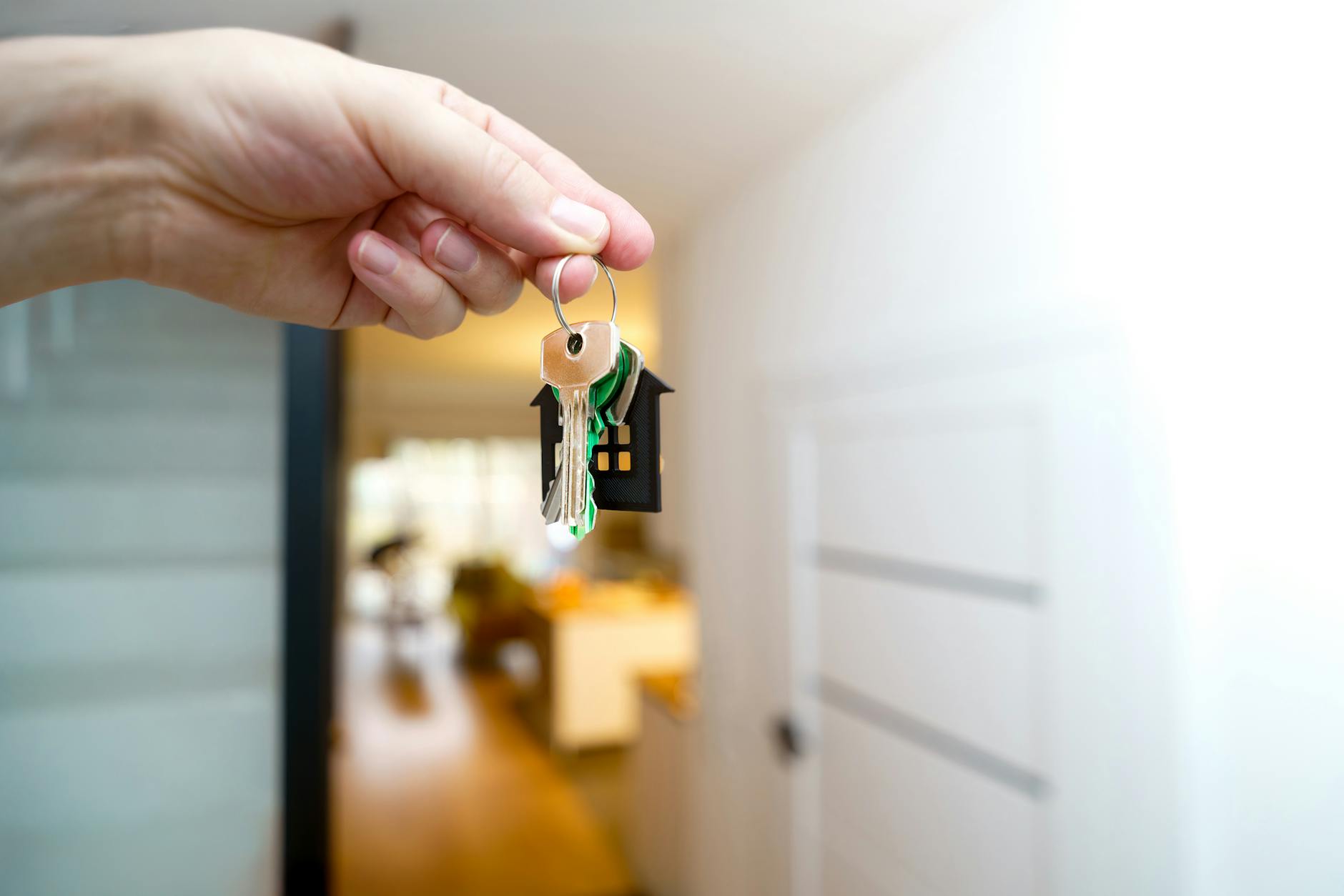
Buying a home is stressful enough without realising, two weeks after settlement, that every room needs a fresh coat of paint. Yet this is exactly where most new owners find themselves. The previous owners' colour choices, years of scuffed walls and hidden surface damage all become your problem the moment you get the keys. Planning a painting budget before you start is the difference between a smooth refresh and an expensive scramble.
Why newly purchased homes almost always need more painting than expected
Staging hides a lot. Professional lighting, furniture placement and a pre-sale clean can make walls look far better than they are. Once the furniture is out and you're viewing rooms in natural daylight, the picture changes fast. Scuffs, patchy touch-ups, water stains and dated colours become obvious. In Melbourne's older housing stock, homes built before 1990 often carry several layers of paint over surfaces that haven't been properly prepared in decades.
There's also the matter of personal taste. A neutral beige that looked acceptable at inspection may feel oppressive once you're waking up to it every morning. Most buyers end up painting more rooms than they initially planned. Budget for that reality from the start.
How to assess what actually needs painting
Walk every room with good lighting and a notepad. Look for these four things: peeling or flaking paint, visible stains or water marks, colour you actively dislike, and surfaces that look dull or chalky. Then step outside and assess the exterior with the same method. Apex Painting recommends treating the interior and exterior as separate projects with separate budgets, rather than lumping everything together and underestimating both.
Write down each surface: ceilings, walls, trims, doors, skirting boards. Each one has a different surface area and often a different paint type. Grouping them as "the kitchen" will produce a vague estimate. Breaking them out gives you something accurate to price.
The real cost of interior painting room by room
In Melbourne, professional interior painting costs vary by room size and condition. A standard bedroom runs between $400 and $800 for walls alone. A kitchen or living area, which typically has more prep work and higher ceilings, can run $800 to $1,500. Bathrooms are smaller but the humidity-resistant paints and tricky tiling edges often push the price up. Hallways look small but cover a surprising amount of wall area when you factor in doors and skirting boards.
The condition of the surfaces matters as much as the room size. If walls need filling, sanding or priming before a topcoat goes on, labour costs climb. Our guide to painting over a previously painted surface covers exactly why preparation drives so much of the final price, whether you're hiring a professional or doing part of the work yourself.
A whole-house interior repaint for a 3-bedroom Melbourne home typically costs between $4,000 and $9,000 depending on condition, ceiling height and finish quality. That range is wide because the condition variable is wide. Don't assume the lower end applies to you until you've had a professional assess the surfaces.
Exterior painting: when to prioritise it
If the exterior paint is cracking, peeling or showing bare timber, it isn't just cosmetic. Water gets into those gaps and causes structural damage that costs far more to fix than a repaint ever would. New home buyers sometimes delay exterior painting to save money short-term. That logic reverses quickly when timber rot or rising damp enters the equation.
Apex Painting recommends inspecting the exterior within the first month of ownership. Look at the paint on south-facing walls, which get less sun and stay damp longer. Check the eaves, window frames and any areas where two surfaces meet. These are the first places paint fails. Understanding the early signs of exterior paint failure will help you decide whether the exterior is cosmetic or urgent, and that decision should shape how you allocate your overall budget.
Trim, doors and ceilings: the costs people forget
Most people budget for walls. Few remember to include trims, doors, skirting boards and ceilings until the quote arrives. In a typical Melbourne home, trims and doors can add 20 to 30 per cent to the total cost of an interior repaint. Ceilings, if they're in poor condition or you want a different finish, add more again.
Doors in particular are underestimated. A standard hinged door takes longer to paint well than a wall of equivalent area because of the panels, edges and hardware masking involved. If your home has six internal doors plus a front door, that's real time and real cost. Include it from the start.
How to prioritise when the budget won't stretch to everything
Not everything needs to happen at once. Apex Painting suggests a simple priority order for new home buyers working with a limited budget: fix anything structurally at risk first (exterior surfaces showing bare substrate), then address the rooms you use most (main bedroom, kitchen, living area), then work through the remaining spaces over 12 to 24 months. This approach prevents budget shock and lets you spread the cost without letting damage worsen.
It's also worth considering which improvements will do most for your enjoyment of the home versus resale value. If you're planning to sell within 3 years, preparing the home for sale with paint is a different calculation than painting purely for your own comfort. Neutral, broadly appealing colours are worth prioritising in a pre-sale context. For a long-term owner, personal taste carries more weight.
Getting quotes: what to ask and what to watch for
Get at least 3 quotes before committing. Ask each painter to specify what preparation work is included, which products they'll use, and how many coats are in the price. A quote that looks low often omits preparation or uses a single coat where two are needed. Dulux and Taubmans both publish guidance on recommended coats per surface type, which is useful context when comparing quotes that seem to differ significantly in price.
Ask whether the quote includes moving furniture, masking windows and hardware, and cleaning up on completion. These details separate a professional job from one that leaves you with half the work still to do.
One number to remember
Industry guidance in Australia puts the rough cost of a whole-house repaint at between 1 and 3 per cent of the property's value. For a $900,000 Melbourne home, that's a planning figure of $9,000 to $27,000 depending on how much work the surfaces need. Use that range as a sanity check on quotes, not as a target. A well-maintained home at the lower end of that range is achievable. A home with decades of deferred maintenance will sit at the upper end.
Plan the budget before settlement if you can. Knowing what the paint bill looks like lets you negotiate, prioritise or simply avoid the surprise that catches most new owners in the first few months of ownership.