
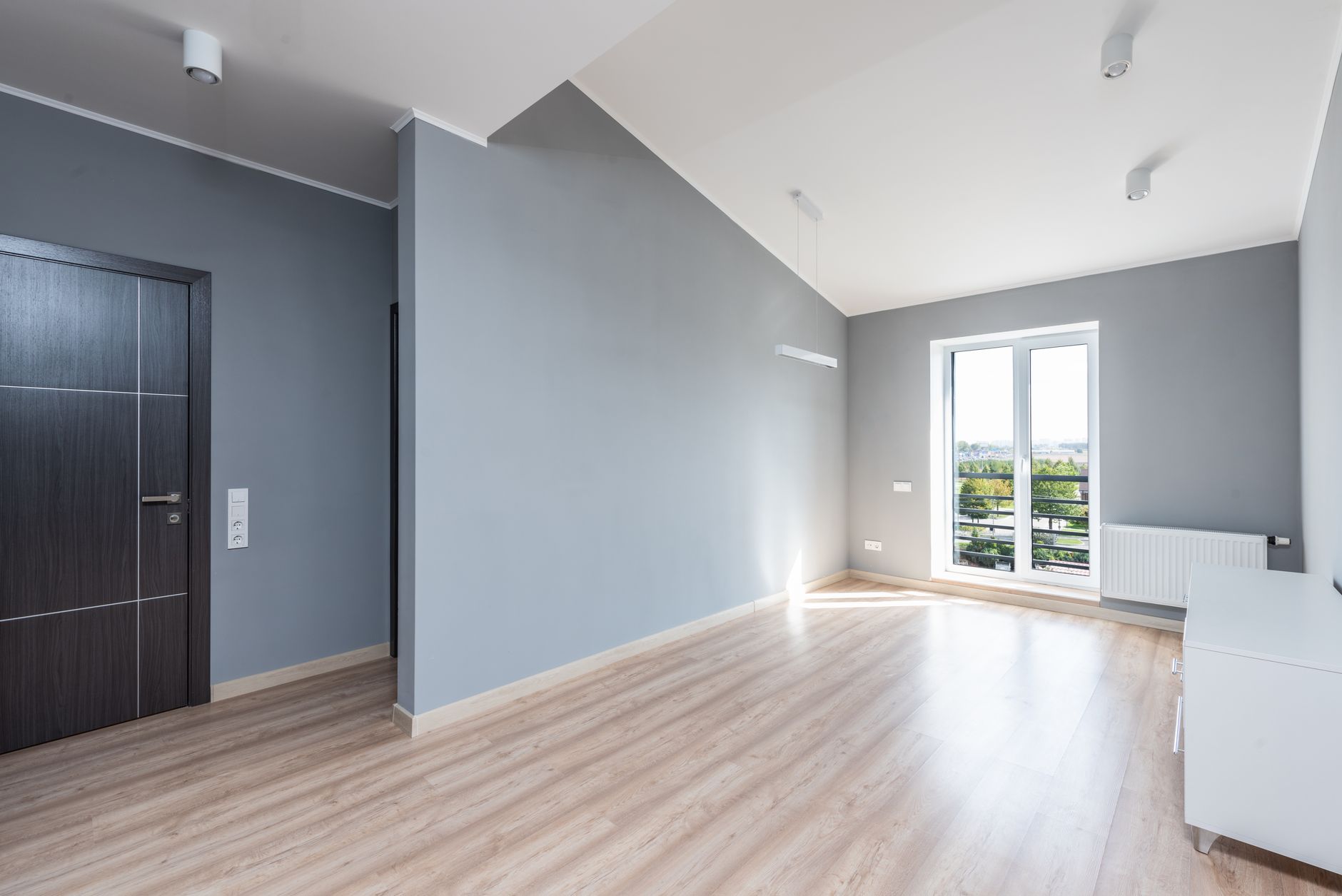
Repainting a home before leasing it out for the first time is a different job to repainting your own home. The colours, products and finishes you choose don't just need to look good on the day: they need to survive tenants, pets, cleaning products and routine wear across multiple lease cycles. Get it right at this stage and you set a defensible baseline, simplify end-of-tenancy disputes and reduce the frequency of costly touch-ups.
Why this repaint is different to any other
When you paint a home you live in, you optimise for taste. When you paint a home you're leasing, you optimise for durability, neutrality and documentation. The condition of the property at the start of a tenancy is the legal reference point for everything that follows. A well-executed repaint, documented clearly before handover, is your strongest protection if disputes arise at the end of a lease.
That's a different brief entirely. And it changes which products you buy, which surfaces you prioritise and how you handle the paperwork afterwards. For a detailed look at the financial side of this process, how to choose paint for a Melbourne investment property renovation covers the specific products and durability trade-offs worth considering.
Choosing colours: neutral, not boring
The practical case for neutral colours in a rental is straightforward. Tenants with strong personal colour preferences will paint over bold walls regardless of the lease terms, creating adhesion and colour-matching problems for the next repaint. Neutral palettes attract more applicants, photograph better for listing photos and are far easier to touch up between tenancies.
That said, "neutral" doesn't mean builder's white. Warm whites, soft off-whites and greyed greiges read as considered choices rather than defaults, and they photograph well under both natural and artificial light. Dulux's Antique White USA and Taubmans Linen Draped are two trade-standard options that work across a wide range of Melbourne homes, from Victorian terraces to 1980s brick veneer. Avoid colours with strong yellow or pink undertones: they look dated quickly and conflict with a wide range of floor tones.
Keep the colour consistent throughout. One wall colour, one trim colour. Resist the urge to add a feature wall: it limits tenant furniture choices and creates a touch-up problem when the tenancy ends.
Finish selection: this is where most landlords cut the wrong corner
Flat and low-sheen finishes look beautiful in photos but absorb marks, resist cleaning and degrade fast in high-traffic areas. A rental needs washable finishes. Full stop.
The practical approach is a tiered system based on traffic and moisture:
- Living areas and bedrooms: low-sheen or satin (not flat)
- Hallways and entries: satin or semi-gloss
- Kitchens and bathrooms: semi-gloss or gloss
- Skirting boards, architraves and doors: gloss
Semi-gloss walls in a hallway look slightly more clinical than satin, but they survive a full five-year tenancy without becoming impossible to touch up. That trade-off is worth making. A flat finish in the same hallway will need repainting within 18 months.
Which surfaces to prioritise
Not every surface degrades at the same rate. If budget is constrained, prioritise in this order: interior walls and ceilings in living areas, hallway and entry surfaces, kitchen and bathroom walls, then trims and doors. The exterior can often wait a repaint cycle if it's in reasonable condition, but don't skip it if peeling or cracking is already visible. Apex Painting recommends addressing visible exterior paint failure before the first tenant takes possession: deferred maintenance signals to tenants that the landlord is disengaged, and that sets a tone.
Kitchens and bathrooms deserve particular attention. Moisture failure in these rooms is one of the most common maintenance issues landlords face. For guidance on the specific prep and product selection these spaces require, the article on how to manage paint maintenance after a bathroom renovation covers the steps in detail, including ventilation requirements that directly affect how long a paint job lasts.
Products that actually hold up
Dulux Wash&Wear and Taubmans Endure are the two most widely used trade-grade interior washable paints in Melbourne rentals. Both carry a scrubbability rating suitable for rental environments and are available in low-sheen and satin variants. For higher-traffic surfaces, Dulux Aquanamel in semi-gloss provides a harder film that handles repeated cleaning without breaking down the sheen.
Don't use budget paint in a rental. The cost difference between a mid-range and a trade-grade paint across an average three-bedroom home is around $200 to $400 in materials. That gap is recovered in the first touch-up job you don't have to do. Budget paints thin faster, chalk more quickly on south-facing exteriors and are harder to match at end-of-tenancy.
Documenting the baseline
Once the repaint is complete, document it properly. This means photographing every room with accurate lighting, recording the paint brand, product name, colour code and finish for every surface, and noting the date of application. Keep receipts. This documentation becomes part of your condition report and serves as the reference point for any bond dispute.
If you're using a property manager, hand them a one-page paint spec: room by room, surface by surface, product and colour. When a tenant scuffs a wall and your property manager needs to touch it up between leases, they need to know exactly what was used. Without it, touch-ups don't match, and you end up repainting entire rooms rather than patching a small area. The full process for setting this up is covered in detail in the guide on how to document your home's paint history before selling or refinancing, which applies equally to landlords preparing a property for its first lease.
Timing the job before handover
Repaint at least two weeks before the first tenant takes possession. This gives the paint time to fully cure, which matters for washability: paint that looks dry is not yet fully hardened, and cleaning a semi-cured surface can remove the finish entirely. It also gives you time to catch any missed patches, touch up any areas the painter flagged and have the condition report completed and signed before keys are handed over.
If you're working with a professional painter, confirm they'll provide a post-job walkthrough and a written finish specification. Apex Painting provides both as standard on rental preparation projects, including the paint codes and product names needed for future touch-up work.