
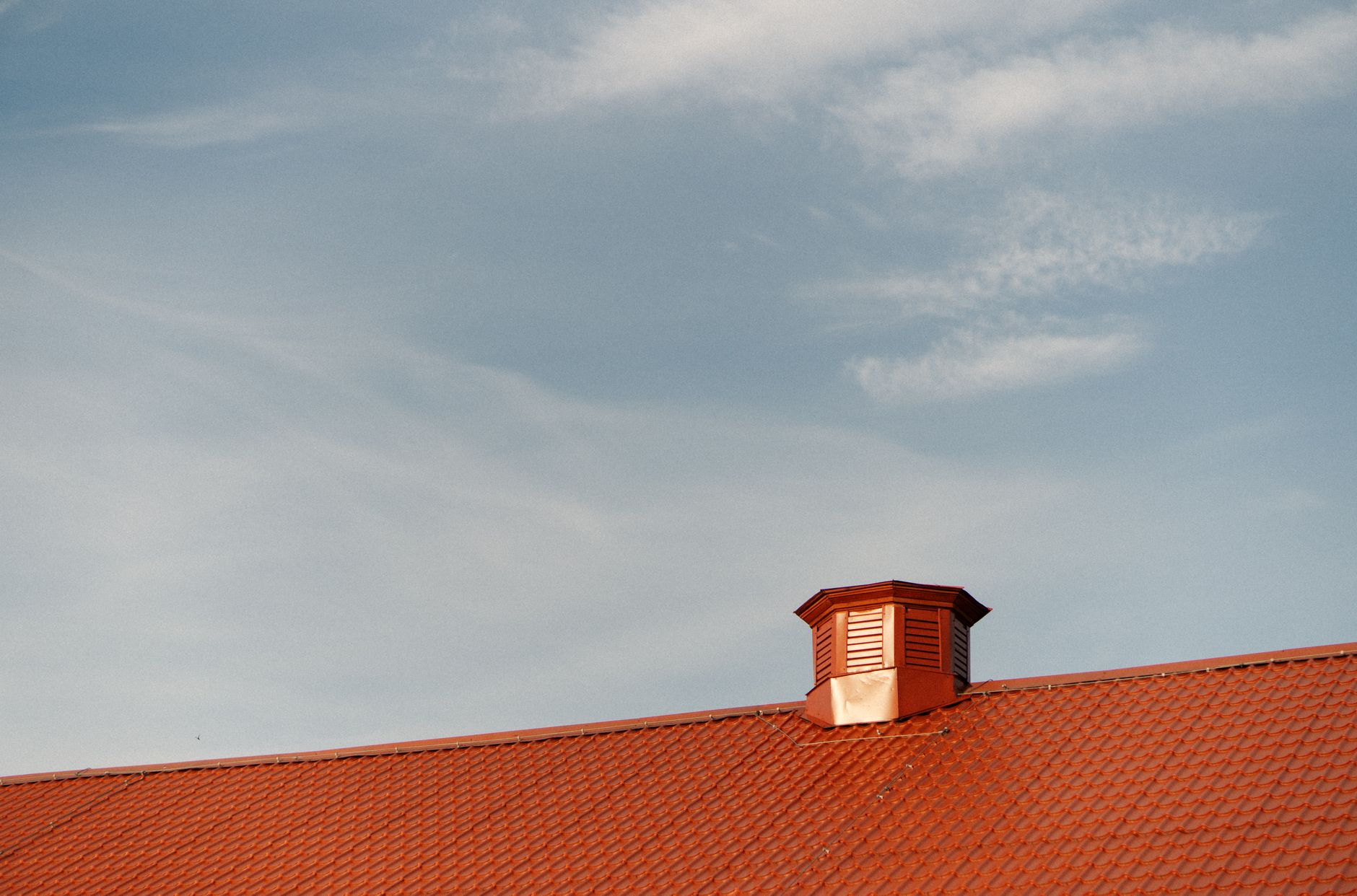
Homes with tin or steel roofing are common across Melbourne's older suburbs, and they create a specific set of paint challenges that most general painting guides ignore. The roof itself drives problems downward: rust bleed, tannin staining, thermal expansion and salt-laden runoff all reach the walls, fascias, bargeboards and gutters directly below. Get the paint management right and the surfaces around a steel roof can hold for a decade. Miss one step and you'll be back on a ladder within three years.
Why steel roofs affect paint on the rest of the house
Steel and tin roofing expands and contracts more aggressively than terracotta or concrete tiles. That movement translates stress directly into the fascia boards and bargeboards fixed beneath the roofline. Paints that can't flex with this movement crack at the fixing points first, then at edges and laps. Once a crack opens, water enters the timber and the paint lifts from below rather than peeling from above. The fix isn't repainting the crack. It's addressing the substrate before the paint goes on.
Rust is the second problem. Even Colorbond and Zincalume roofing (both manufactured by BlueScope Steel) eventually allow surface oxidation at cut edges and fixing points. That oxidised material washes down in rain, leaving orange-brown staining on any painted surface directly below the roofline. Standard paint doesn't resist tannin or iron staining unless it's specifically formulated with a stain-blocking primer beneath it.
The third issue is heat. A steel roof in direct Melbourne summer sun can reach surface temperatures above 70°C. The radiated heat baking into adjacent fascias, soffits and upper wall sections accelerates paint chalking and film breakdown, particularly in north-facing and west-facing elevations. If you want to understand how to spot the early signs of exterior paint failure, a tin-roofed home's upper fascia is one of the first places those signs appear.
Choosing the right primer for metal-adjacent surfaces
Any surface within 300mm of a steel roof junction needs a stain-blocking primer before the topcoat, not a standard undercoat. Water-based stain-blocking primers (Dulux Aquanamel Prep or Zinsser BIN are common choices) will seal rust and tannin bleed from sitting into the topcoat. Oil-based stain blockers are more durable in this application but slower drying and higher in VOC content.
For metal surfaces themselves, including gutters, downpipes and exposed flashings, a dedicated etch primer is required before any topcoat adhesion is possible. Without it, even a quality acrylic topcoat will delaminate within 12 to 18 months on a smooth Zincalume or galvanised surface. The etch primer bites into the metal oxide layer and gives the topcoat something to grip. Don't substitute with a standard primer. The chemistry is different.
Timber fascias and bargeboards in direct contact with the roofline need a full system: clean, sand, treat any existing rust staining with an oxalic acid wash, apply stain blocker, then two topcoats. The extra step adds cost. It also means the job doesn't come back in year two.
Paint product selection for the upper elevation
The upper sections of a home with a steel roof need a topcoat with higher elasticity than the rest of the house. A 100% acrylic exterior paint with a Low Sheen or Satin finish gives enough flex to manage the thermal cycling from radiated heat. Full gloss paints look sharp initially but are the first to crack at stress points and show chalking under sustained UV. Avoid them on fascias and bargeboards unless the client is committed to repainting every three to four years.
Colour choice matters more here than people expect. Dark colours on fascias directly under a steel roof absorb more radiated heat and accelerate film breakdown. Lighter colours (not necessarily white, but mid-range neutrals) perform better structurally in this location. This is worth raising with clients who want to match dark fascias to a dark roof. The aesthetic works, but the paint system needs to be more robust to compensate.
Gutter and downpipe painting
Gutters on a steel-roofed home are a separate surface type requiring their own system. Steel gutters that have surface rust need wire brushing or angle grinding to bare metal at the rust points, rust converter applied, then etch primer, then a water-resistant topcoat. Aluminium gutters need etch primer only. PVC gutters need a flexible etch primer and a UV-stable topcoat because standard exterior acrylic will chalk and flake faster on rigid PVC than on timber.
Internal gutter surfaces (the trough that holds water) should not be painted with a standard wall paint. Use a product rated for immersion or pooling water. Dulux Metalshield or a bitumen-based product is appropriate for steel gutter interiors. Painting the inside of a gutter with standard exterior acrylic will peel within one wet season.
Wall surfaces below the roofline
Upper wall sections that receive runoff from a steel roof are the ones most likely to develop staining, efflorescence on rendered walls, or mould on timber-clad walls. The management approach differs by substrate:
- Rendered walls: Wash off any staining with a dilute oxalic acid solution before priming. Apply an alkali-resistant primer before the topcoat on any repaired or newly rendered sections. Standard acrylic primer will fail on fresh render.
- Weatherboard: Check for water ingress behind the boards at the wall-roof junction before painting. Paint traps existing moisture in and accelerates rot. Pull back any suspect boards, treat, replace if needed, then prime and paint.
- Brick: Use a penetrating water repellent on the upper course before applying any decorative coating. Brick directly below gutters on a steel-roofed home is among the wettest masonry on the property.
Maintenance schedule specific to steel-roofed homes
A steel-roofed home in Melbourne needs a more frequent maintenance check than a tiled-roof property. Every 12 months, inspect the fascia-to-roof junction for cracking, the top edge of all gutters for rust bleed staining on the painted surface below, and the upper wall sections for any early chalking or discolouration. None of these are paint failures in themselves at the 12-month mark. They're indicators of where failure will begin if nothing is done.
Every 3 to 5 years, a full wash of all painted surfaces below the roofline with a low-pressure house wash removes the accumulated iron oxide residue before it stains through the topcoat. This is one of the cheaper items in maintaining your home's exterior paint between professional repaints and one of the highest-value ones on a tin-roofed home specifically.
Apex Painting handles surface preparation and full paint systems for homes with steel and tin roofing across Melbourne. The prep work on these properties takes longer than a standard repaint. It's also what determines whether the finish lasts three years or ten.