
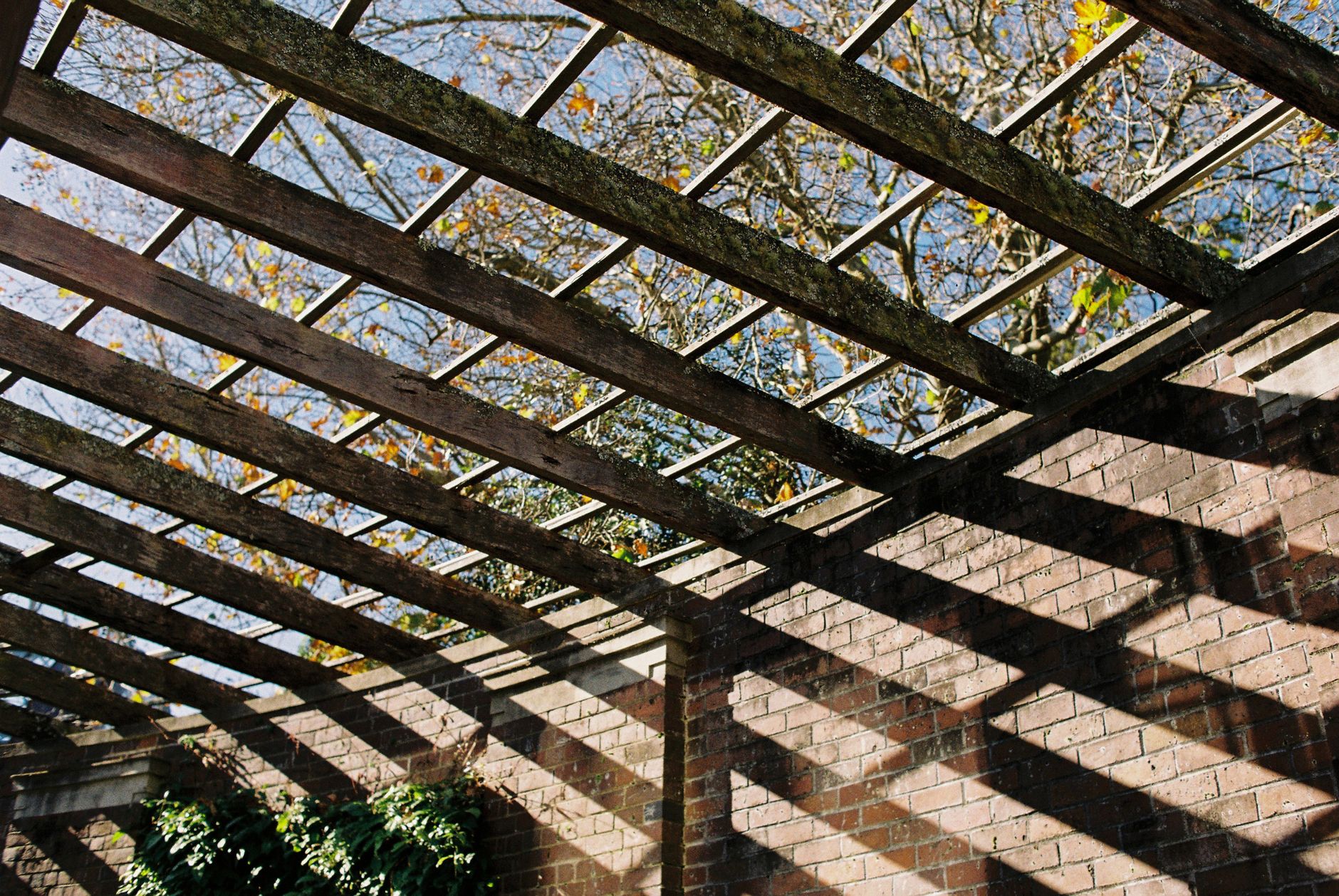
Painting a pergola sounds straightforward until you're three coats in and the timber starts drinking your topcoat like it's water. Pergolas sit fully exposed to UV, rain, temperature swings and biological growth, which makes them one of the harder outdoor paint projects a homeowner can take on. Melbourne's climate adds another layer: the city cycles through heat, humidity and cold in ways that stress timber finishes far faster than most people expect.
Getting this right is about preparation more than product. The best paint on the market won't save a pergola that wasn't cleaned and primed correctly, and the wrong product choice will fail even when everything else is done well.
What type of timber are you working with?
Before you buy a single tin of paint, identify the timber. This step alone decides your primer and topcoat. Hardwoods like merbau and spotted gum are naturally oily, and standard acrylic primers won't bond to them without a solvent-based penetrating primer applied first. Pine and treated pine are far more porous and absorb primer aggressively, so two coats are usually needed before the topcoat goes on.
Check whether the timber is new, previously oiled, previously painted or bare and weathered. Each state needs different preparation. Previously oiled timber, for instance, needs the oil stripped or cut back significantly before paint will adhere. Weathered grey timber needs to be sanded back to fresh wood. Trying to paint over a grey surface gives you a sealed-in grey surface, not a clean painted one.
Cleaning and prep: the step that decides everything
A pergola picked up mould, dirt, bird droppings, pollen and surface oxidation from its last season. None of those should be under your new coat of paint. Start with a pressure wash on a low setting. Too much pressure on bare timber raises the grain and splinters it. Let the structure dry for at least 48 hours, longer in cool weather, before you touch it with any product.
Sand the entire structure after it dries. Use 80-grit for rough or weathered surfaces, then finish with 120-grit to smooth. Pay attention to the end grain of any posts or beams: end grain absorbs paint at a much faster rate than face grain and needs an extra primer coat to seal it properly. Clean off all sanding dust before you open the primer.
Check for any cracked, split or raised timber. Fill deep cracks with a flexible exterior filler, not a rigid interior product. Rigid fillers crack as the timber moves through seasonal temperature shifts, and in Melbourne that movement is significant.
Choosing the right primer
For oily hardwoods, use a solvent-based penetrating primer such as Dulux Precision or a similar product designed to bite into dense, oily surfaces. For pine and treated pine, a water-based exterior primer applied in two coats gives solid adhesion and dries quickly between coats.
Don't skip primer. Many people brush a topcoat directly over bare or lightly sanded timber and wonder why it peels within a season. The primer seals the surface, provides adhesion for the topcoat and evens out the absorption rate across different timber densities. On a structure that lives outdoors permanently, primer isn't optional.
Topcoat options: paint, stain or solid colour?
You have three realistic options for a pergola: a solid exterior acrylic paint, a semi-transparent exterior stain or a solid colour stain. Each suits different situations.
- Solid exterior acrylic paint gives the most opaque finish and the widest colour range. It's the right choice when you want a specific colour match or when the timber is rough and you want to hide the grain. It requires the most thorough prep to bond properly.
- Semi-transparent stain allows the timber grain to show through, looks natural and is more forgiving of minor surface inconsistencies. It won't hide blemishes, and you need to reapply it more often, typically every 2 to 3 years.
- Solid colour stain sits between the two: opaque like paint but penetrating like a stain, which gives it better flexibility on timber that moves with the seasons.
For most painted pergolas in Melbourne, a solid exterior acrylic topcoat from a reputable brand is the practical choice. It handles UV well, holds colour and is easy to clean. Whatever you choose, confirm it's rated for exterior timber and direct sun exposure.
Application technique for a quality finish
Work top to bottom. Start with the beams and cross members overhead, then move to posts and any lattice panels last. This way, any drips fall onto surfaces you haven't painted yet.
Use a brush for all detailed sections, corners, joints and end grain. A roller speeds up flat surfaces like wide beams but leaves a stippled texture that can trap moisture on horizontal surfaces exposed to rain. A brush gives you better control of coverage in those spots.
Apply two topcoats, sanding lightly with 220-grit between them. This isn't about removing the first coat; it's about knocking down any dust nibs or brush marks before the second coat locks them in permanently. The second coat is what gives you colour depth and durability. Don't rush it. Wait until the first coat is fully dry, not just dry to touch, before sanding or recoating.
Weather and timing
Don't paint in direct sun, above 35°C or when rain is forecast within 4 hours. Paint drying too fast in heat causes brush drag, poor levelling and surface cracking. Melbourne summers make this a genuine challenge: early morning is often the only workable window during a heatwave. Autumn is the best season for exterior timber painting in Melbourne: mild temperatures, lower UV and longer dry spells between rain events.
If you're planning a larger outdoor project alongside this, the same weather logic applies to choosing when to tackle a timber deck. Surface temperature, not just air temperature, drives how paint flows and cures, and a dark pergola post in afternoon sun can be 10 to 15 degrees hotter than the ambient air.
How long will it last?
A well-prepared pergola with a quality solid topcoat should hold for 5 to 7 years in Melbourne conditions before needing a full repaint. You may need to spot-treat north-facing surfaces sooner, since UV degradation hits hardest there. A light clean with a diluted sugar soap solution once a year keeps mould and organic growth from establishing and stretches the finish considerably.
Watch for early warning signs: chalking (a white powdery residue when you run your hand along the surface), flaking at joints and end grain, or persistent mould spots that won't wash off. These are signals that a maintenance coat or a fuller repaint is due. Catching them early saves you a full strip-back.
If you've noticed similar signs on your home's walls or fences, the same principles that govern exterior timber surfaces apply to rendered and masonry ones too. Understanding the early signs of exterior paint failure across your whole property helps you plan maintenance before it becomes an expensive repair.
Apex Painting handles pergola and outdoor timber painting across Melbourne, including surface preparation, flexible fillers and multi-coat systems suited to Melbourne's climate. If the prep or height makes the job impractical as a DIY project, a professional repaint ensures the finish bonds correctly from the first coat.