
Paint sheen on high-traffic commercial walls is one of those decisions that gets made quickly and paid for slowly. A flat paint chosen for its clean, matte look is almost impossible to wash without burnishing. A high-gloss finish applied to a rough surface telegraphs every imperfection. Getting the sheen level right means understanding how the wall is used, how it's cleaned, and what the surface underneath actually looks like.
Why sheen matters more than colour in commercial spaces
Colour gets attention. Sheen determines performance. In a high-traffic corridor, loading bay, retail fit-out or busy office, the finish you choose affects how well the paint resists scuffs, how easily it cleans, and how long it holds its appearance before the first touch-up is needed.
Sheen levels run from flat (zero reflectivity) through matte, eggshell, satin, semi-gloss and full gloss. Each step up the scale adds washability and durability. Each step also increases reflectivity, which affects how light bounces off the wall and how surface imperfections appear. In commercial interiors, that trade-off is real.
Flat paints hide surface texture well but can't handle repeated cleaning. Semi-gloss paints withstand scrubbing but highlight dings and uneven substrate. Satin sits in a functional middle ground for most commercial applications, offering reasonable washability without the clinical look of gloss. The right choice depends on traffic intensity, cleaning frequency and the condition of the substrate.
Matching sheen to traffic zones
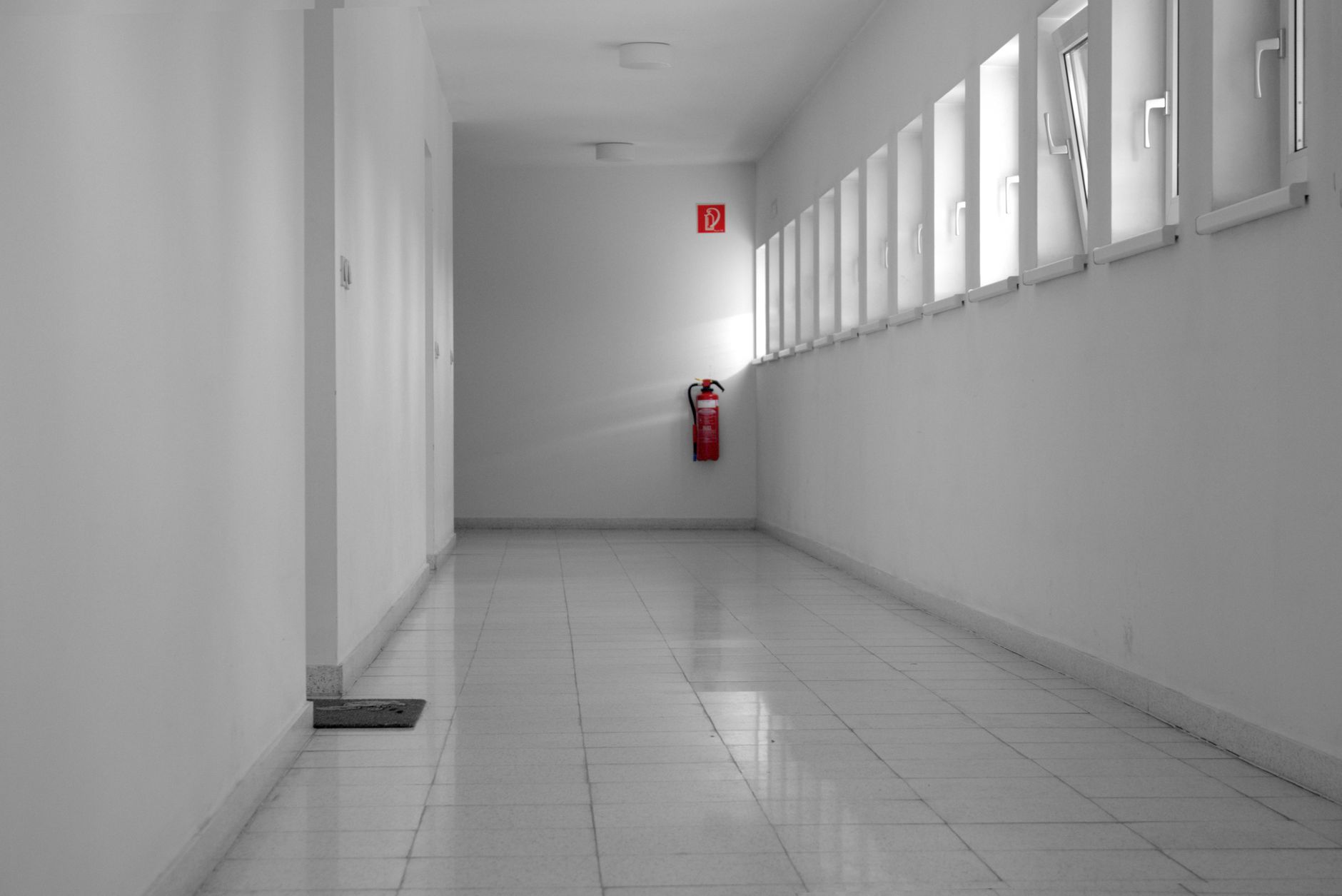
Not every wall in a commercial building takes the same punishment. A corridor connecting a warehouse floor to a change room gets shoulder brushes, trolley scuffs and cleaning chemicals daily. A boardroom wall might see nothing more demanding than a hand occasionally reaching for the light switch. Treating both the same way wastes money on the boardroom and creates a maintenance headache in the corridor.
A practical zoning approach works like this. Divide the building into three bands by traffic intensity, then assign a sheen range to each:
- High-traffic zones (entries, corridors, stairwells, kitchens, bathrooms): semi-gloss or satin with a hard-wearing acrylic or epoxy-modified formula. These surfaces need to handle wet wiping, disinfectant sprays and physical contact without degrading.
- Medium-traffic zones (open offices, retail floors, waiting rooms): satin or low-sheen eggshell. Enough durability for regular cleaning, low enough reflectivity to keep the space looking professional rather than clinical.
- Low-traffic zones (boardrooms, executive offices, private meeting rooms): eggshell or matte, chosen for appearance rather than washability, with the understanding that spot-repainting is more feasible when the surface sees little wear.
This approach also helps with paint colour consistency across multiple commercial sites, since zoning by function rather than location gives you a replicable system.
The substrate question most people skip
Sheen amplifies what's already on the wall. A semi-gloss finish applied over poorly patched plaster, old screw holes or an uneven substrate will show every flaw under direct lighting. This isn't a paint problem. It's a preparation problem that paint makes visible.
Before selecting a finish for a high-traffic wall, assess the substrate properly. If the surface has repairs, cracks, or texture variation, either address them before painting or choose a finish that is forgiving enough to conceal them. In practice, this often means accepting a slightly lower sheen on walls that need cosmetic work, then building up to a higher sheen on future repaint cycles once the substrate is in better condition.
Apex Painting applies this assessment as standard during the preparation phase of every commercial job. Skipping it is how commercial clients end up with a fresh coat of paint that looks worse than what came before.
Cleaning compatibility is often overlooked
Commercial spaces get cleaned with products that residential interiors rarely see: quaternary ammonium disinfectants, bleach solutions, alkaline degreasers. These chemicals can break down standard acrylic paints over time, especially at lower sheen levels where the binder content is lower and the surface is more porous.
If the cleaning protocol for a space involves anything stronger than a mild detergent, the paint specification needs to account for it. Hospital corridors, food preparation areas and childcare centres have specific requirements that standard commercial paints don't always meet. In these settings, a two-part epoxy or high-solids acrylic formulation is worth the additional cost per litre, because the alternative is repainting every 18 months.
Ask the building or facilities manager what products the cleaning crew uses before finalising the paint spec. It's a five-minute conversation that prevents a significant problem.
How to choose the right paint finish for commercial interiors
The sheen decision doesn't sit in isolation. It connects directly to finish type, product quality and application method. A satin finish applied with a cheap roller in a single coat will underperform a satin applied in two coats with the right nap thickness for the substrate. Film thickness matters. Coverage rate matters. The manufacturer's recommended spread rate on the tin is the minimum, not the target.
For a more detailed breakdown of finish types and their applications, the guide on how to choose the right paint finish for commercial interiors covers the full spectrum, including product categories and application tips.
One practical rule: don't mix sheen levels on the same wall plane. A touch-up done in a slightly different sheen reads as a patch, even if the colour matches exactly. Commercial painters working on ongoing maintenance contracts keep records of the exact product, sheen level and batch used on each surface for this reason.
Timing repaints before sheen failure becomes visible
High-traffic commercial walls don't fail all at once. Sheen degrades gradually, usually showing first at shoulder height and around door frames where contact is most frequent. By the time a wall looks visibly worn across its full surface, the paint has been underperforming for months.
Scheduling a repaint before visible failure rather than after is the lower-cost approach. A wall repainted while the substrate is still in reasonable condition needs less preparation, which reduces labour time and total project cost. A wall repainted after the finish has broken down to the point where cleaning marks are impossible to remove needs stripping, priming and two coats rather than one.
Apex Painting works with commercial clients to build maintenance schedules that catch high-traffic walls at the right point in their cycle. If you're managing a commercial property in Melbourne and want a proper assessment of your current finishes, Apex Painting offers site inspections for commercial clients across the Melbourne metro area.
The right sheen on the right surface in the right zone isn't a small detail. It's the difference between a commercial paint job that holds up for four years and one that looks tired before the fitout is finished.