
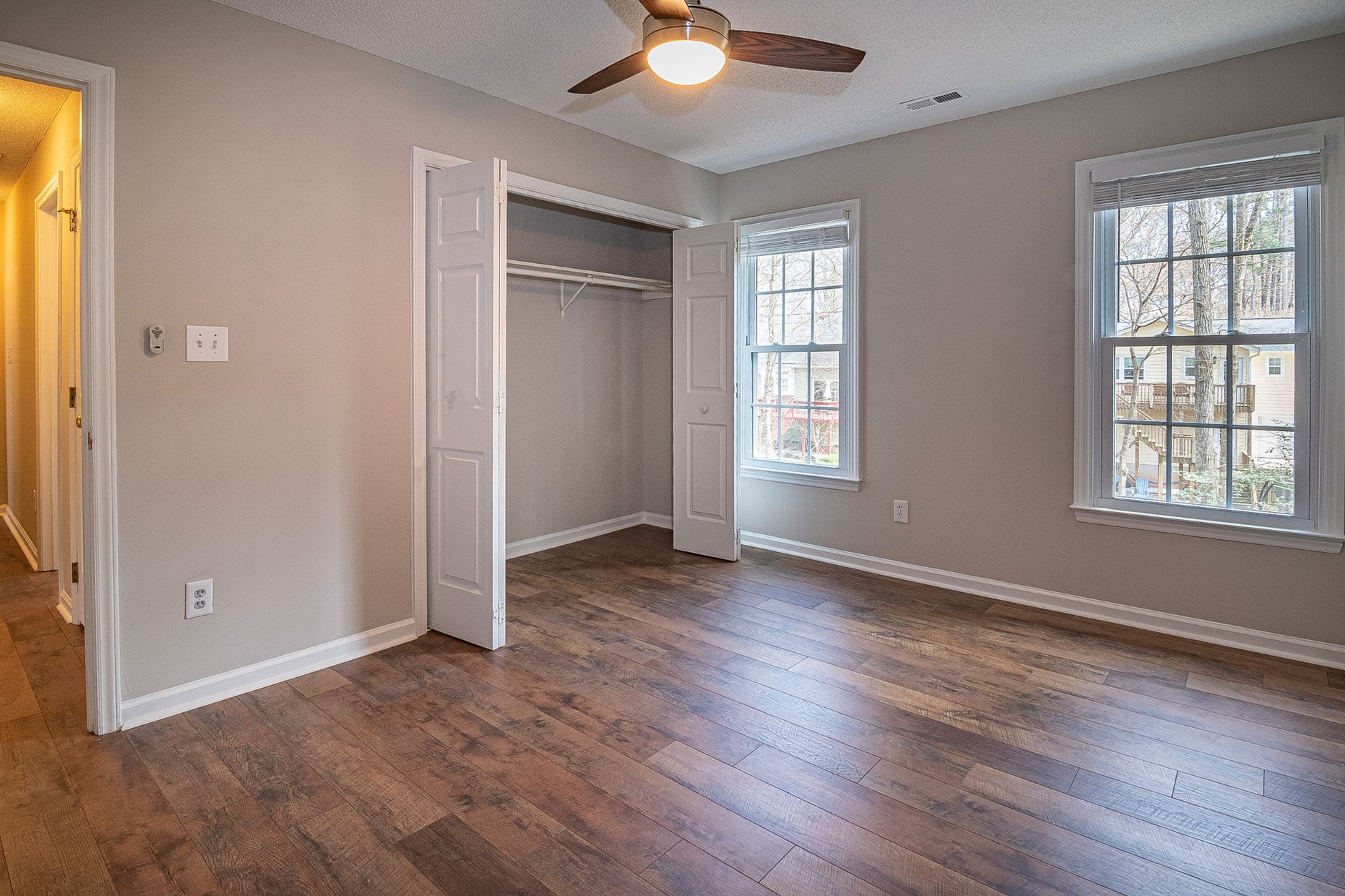
Paint colours for a rental you actually live in sit in an awkward gap between what tenants want and what landlords will allow. Most Australian rentals come delivered in off-white or standard builder's white, and most leases either prohibit painting outright or require written approval and a return to the original colour on exit. Neither of those conditions means you're stuck. It means you need a clear-headed plan before you open a tin.
Start with the lease, not the colour chart
Read the lease before anything else. In Victoria, the Residential Tenancies Act 2018 explicitly allows tenants to make minor modifications, and painting a room is listed as a permissible change under certain conditions, provided landlord consent is obtained and the rental is returned to its original state. That's the legal baseline. The practical reality is that most landlords will say yes to a neutral colour and no to a dark feature wall, so your pitch to the property manager matters. Frame it as a maintenance benefit: fresh paint protects walls and makes the property more attractive when you leave.
Get consent in writing. A verbal "yes, fine" from a property manager means nothing when you're at the exit inspection.
Choose colours that photograph well and read as neutral
In a rental, your colour choice carries two audiences: you, living in it now, and the landlord or next tenant, seeing it in exit photos. Colours that read well under both conditions share a few traits. They're mid-value, meaning not too dark and not so pale they look dirty when photographed. They work under artificial light as easily as natural light. And they don't lean too warm or too cool, so they complement most furniture without forcing a specific aesthetic.
The strongest performers in this category are warm greige tones (beige with a grey undertone), soft sage greens, and dusty off-whites with a yellow or pink base rather than a blue one. Blue-based whites photograph cold and show every scuff. A warm white like Dulux Antique White USA looks clean in photos and feels genuinely liveable in person.
Understanding how light direction affects colour is worth doing before you commit. A room that faces south gets reflected light rather than direct sun, which means warm tones hold their depth without going muddy. A west-facing room floods with afternoon heat that can push already-warm shades toward orange. The principles for south-facing rooms and west-facing rooms apply just as directly in a rental as they do in an owner-occupied home.
Where to focus colour when you can only paint one room
If the landlord approves a single room, pick strategically. Bedrooms are the best investment because they're the most private space in the house and the one where colour most directly affects how you feel. A calm, low-saturation colour in a bedroom changes the entire quality of a rental for the person sleeping in it. The living room is the second choice because it's where guests form their impression of the space, and it's where good colour creates the most visible return. Kitchens and bathrooms are rarely worth the effort in a rental: the surfaces are complex, the landlord will scrutinise the finish closely, and the impact is harder to control.
If you want the landlord to agree, offer to repaint back yourself. Most landlords object to painting because they fear the exit cost, not the act of painting itself. Removing that concern removes the objection.
Finishes matter more in a rental than in your own home
In a rental, durability and repaintability are equally important. Low-sheen and flat finishes look beautiful on walls but they're hard to clean and difficult to paint over without the next coat looking patchy. A low-sheen acrylic (sometimes called "low sheen" or "velvet") wipes down easily and accepts a new coat without primer in most cases. It's also the finish landlords and property managers are most familiar with, which makes approval easier.
Avoid high-gloss on walls entirely. It shows every imperfection, creates light bounce that makes rooms feel harsh, and reads as a non-standard choice that will raise flags at inspection. Gloss belongs on trims, doors and skirtings. Understanding how finishes interact with high-use surfaces applies directly here: the principles behind protecting interior paint from furniture and everyday wear are even more relevant in a rental where you're personally liable for damage.
Colour in rentals without paint: what actually works
Not every landlord will say yes. Some leases are firm. In those cases, colour still enters a rental through a few practical channels.
- Removable wallpaper panels. Peel-and-stick wallpaper has improved dramatically and leaves no adhesive residue on smooth-painted walls when removed carefully. One textured panel behind a bed head can do what a feature wall would.
- Colour through textiles. Curtains from floor to ceiling create a visual impression that rivals wall colour. A room with warm terracotta linen curtains feels nothing like the same room with white blinds, regardless of what's on the walls.
- Furniture placement and rugs. A large rug in a saturated colour defines a zone and pulls the eye away from neutral walls. This is particularly effective in open-plan spaces where the landlord's builder's white runs uninterrupted.
These aren't compromises. They're reversible, portable and often cheaper than repainting, which means they travel with you to the next rental.
Returning the rental to original colour without arguments
The exit repaint is where most rental paint disputes begin. Photograph the original walls at the start of your tenancy, including close-ups that show the existing sheen level and any pre-existing marks. Keep the tin of paint you used, with the colour code noted. When you repaint at exit, match the sheen as well as the colour: a flat finish painted over with low-sheen will look different under raking light even if the colour is identical.
If the original walls were builder's white and you painted them a warm neutral, you may need a primer coat to prevent the warm undertone bleeding through the white. Test the return coat in a corner before committing to the full room. It takes one afternoon, not a full weekend, and it removes any cause for dispute at the inspection.
The landlord's perspective on paint is simpler than tenants expect. They want walls that look clean, photograph well, and don't cost money to fix. A tenant who paints carefully, documents the process, and returns the space in better condition than they found it is an asset. Most disputes are about sheen mismatches and undisclosed colours, not about the act of painting itself.